A Glance Back at the AAUA 2025 National Conference
“Navigating the Storms: Leadership
in Times of Campus Climate Crises”
Presidents Panel
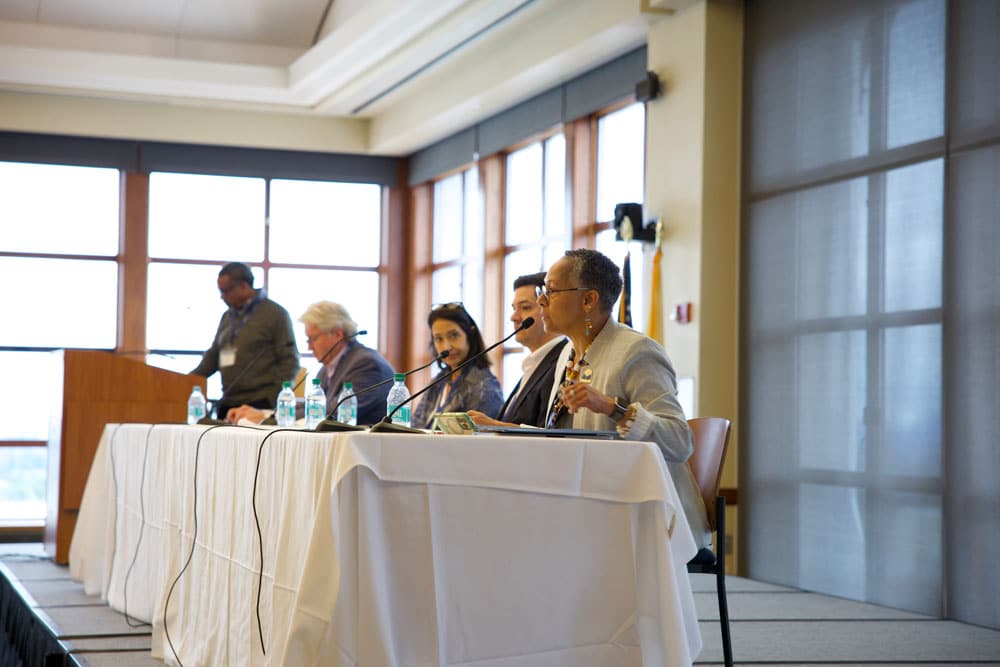
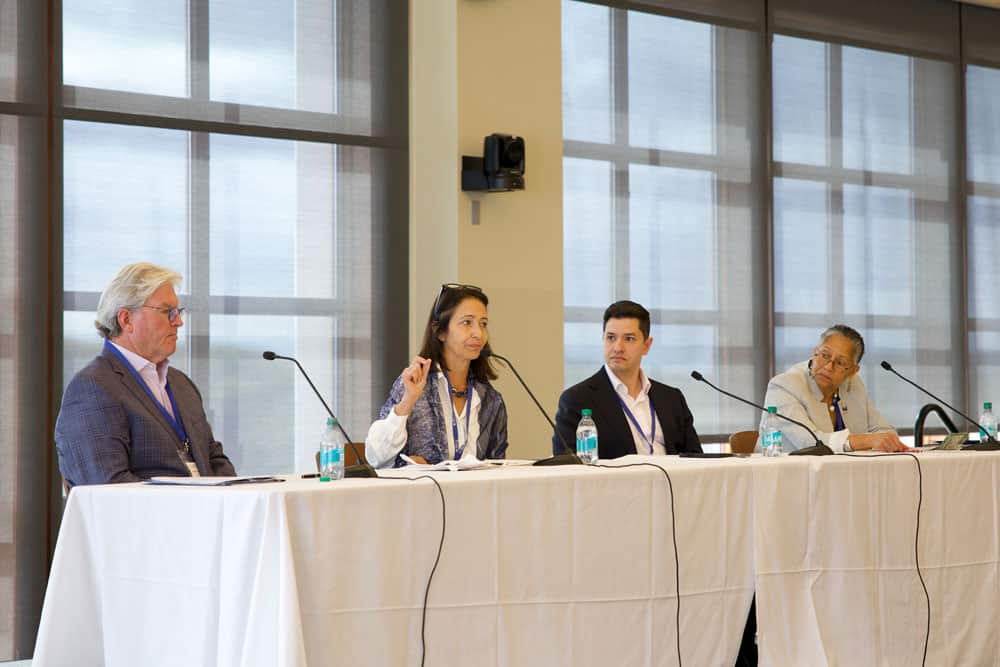
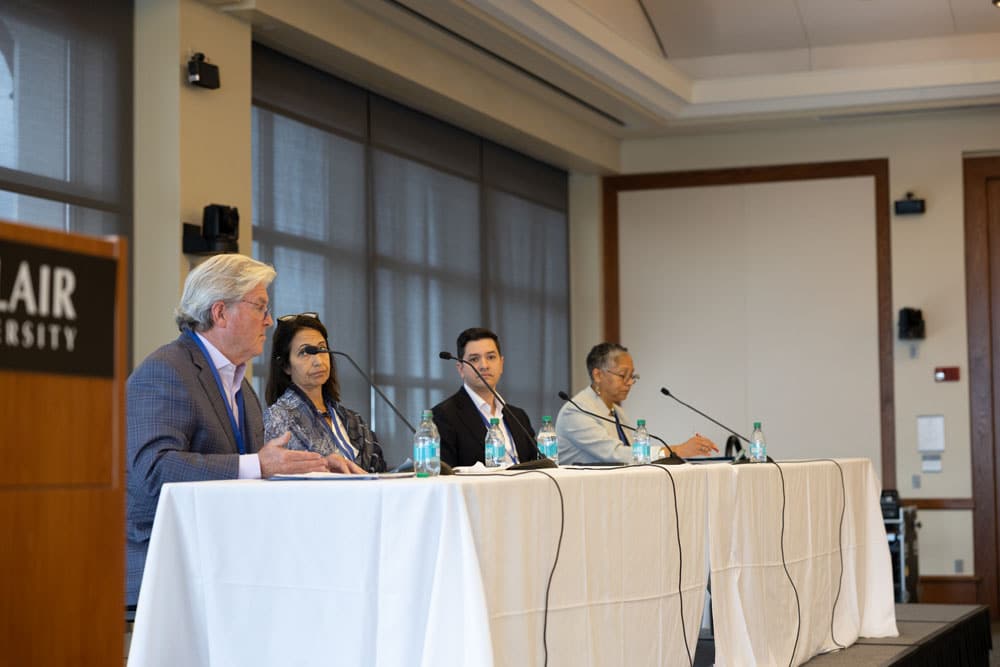
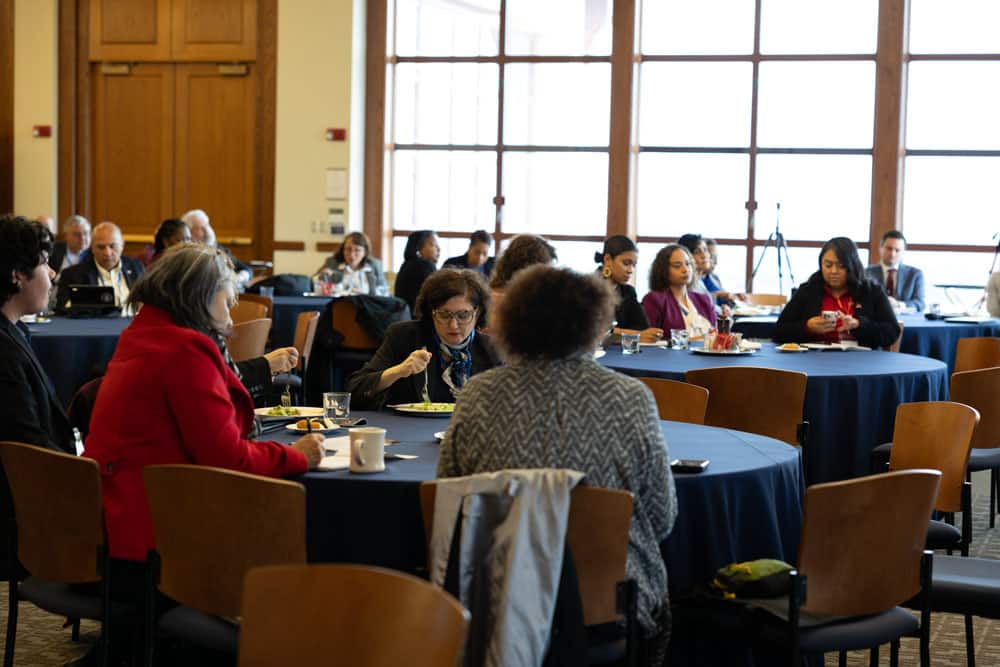
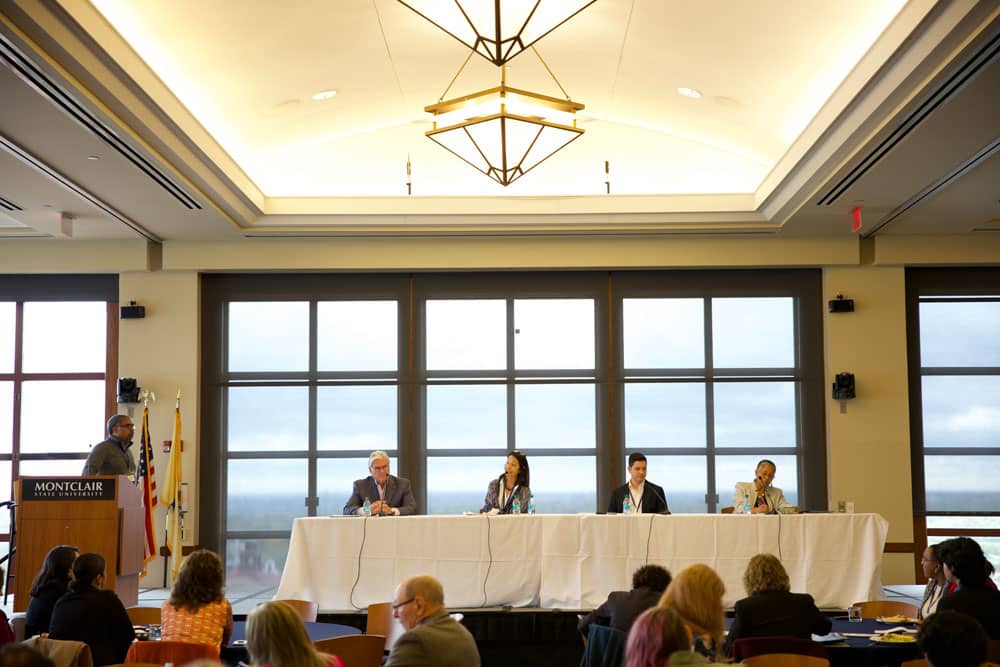
The 2025 Conference opened with a presidential panel in which leaders discussed the major “storms” facing higher education and the strategies they use to navigate them. Guided by moderator Bill Hill, the conversation explored topics such as AI and the future of higher education. The session sparked a meaningful, solution-focused dialogue that encouraged participants to reflect on current challenges and opportunities.

Breakout Sessions
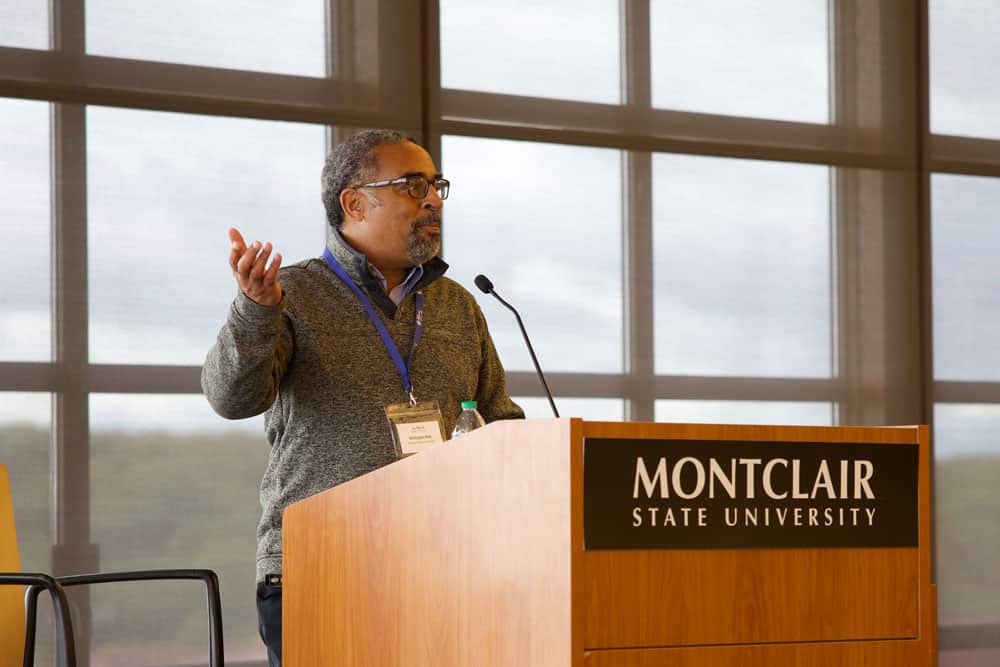
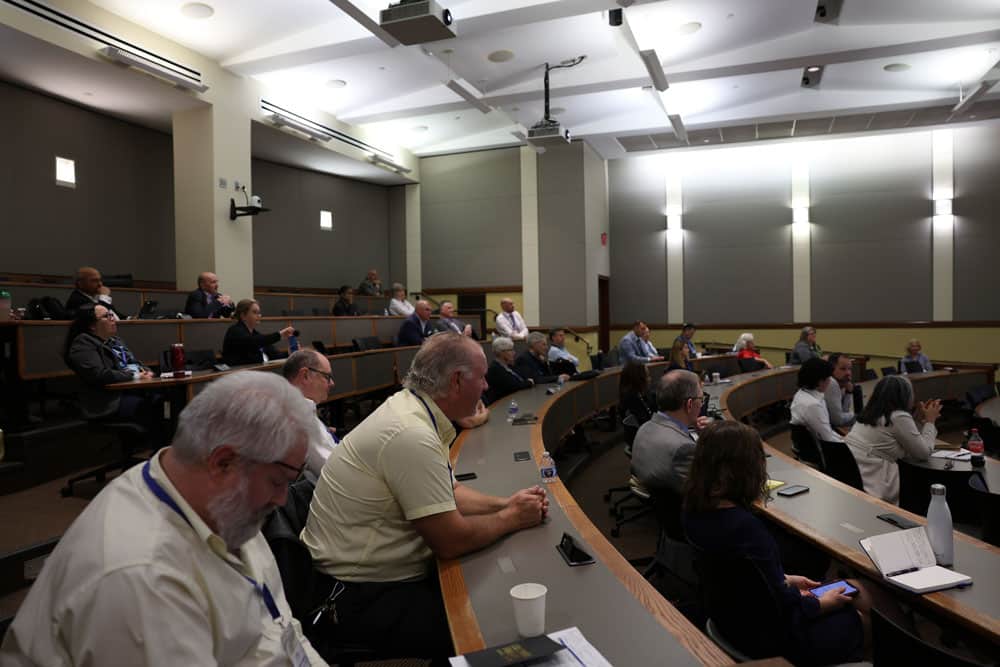
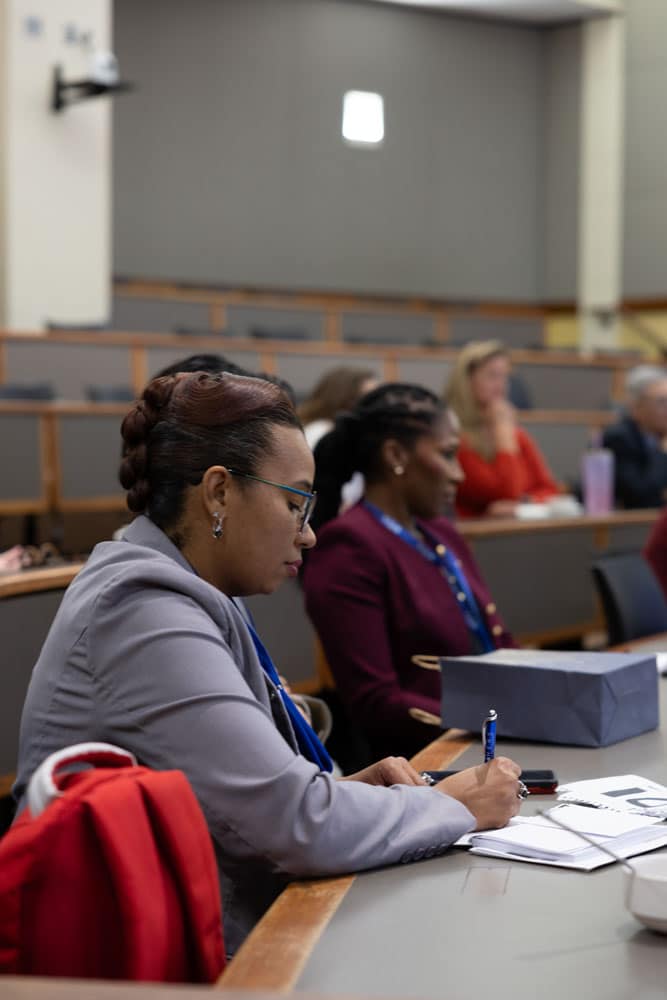
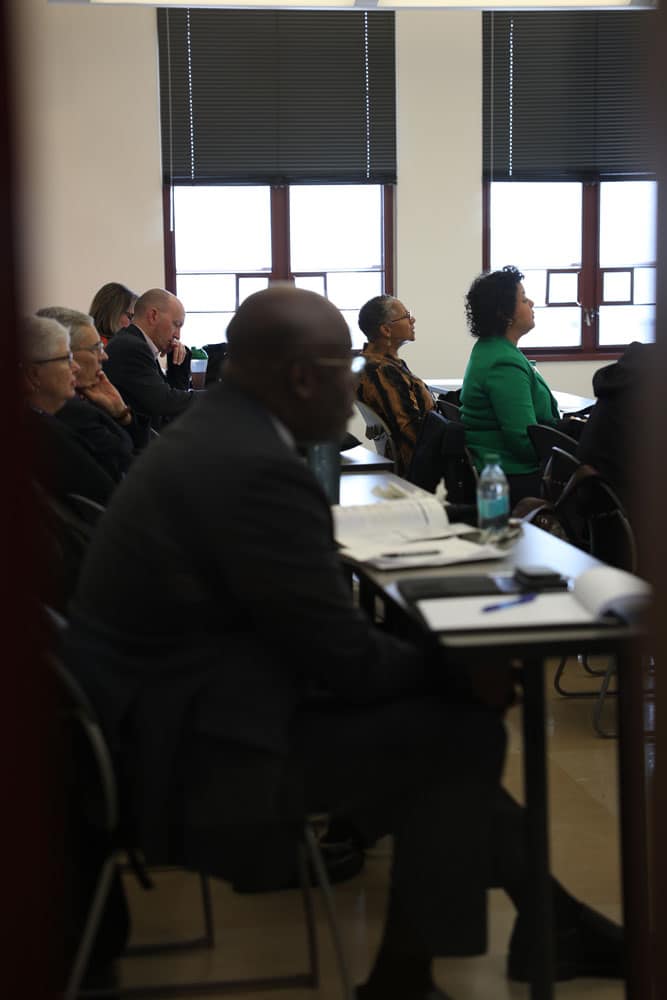
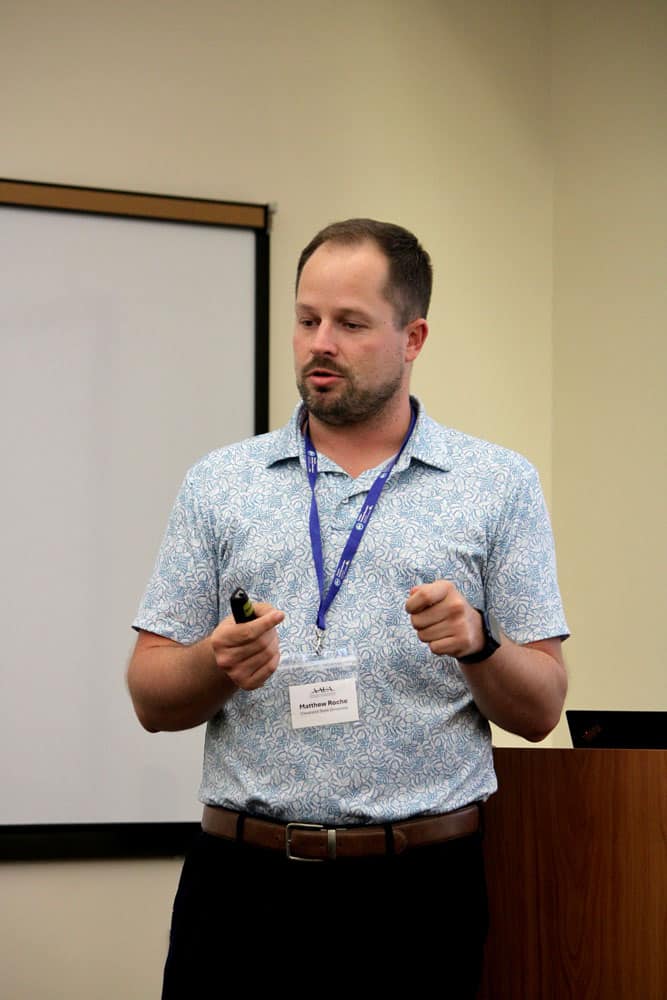
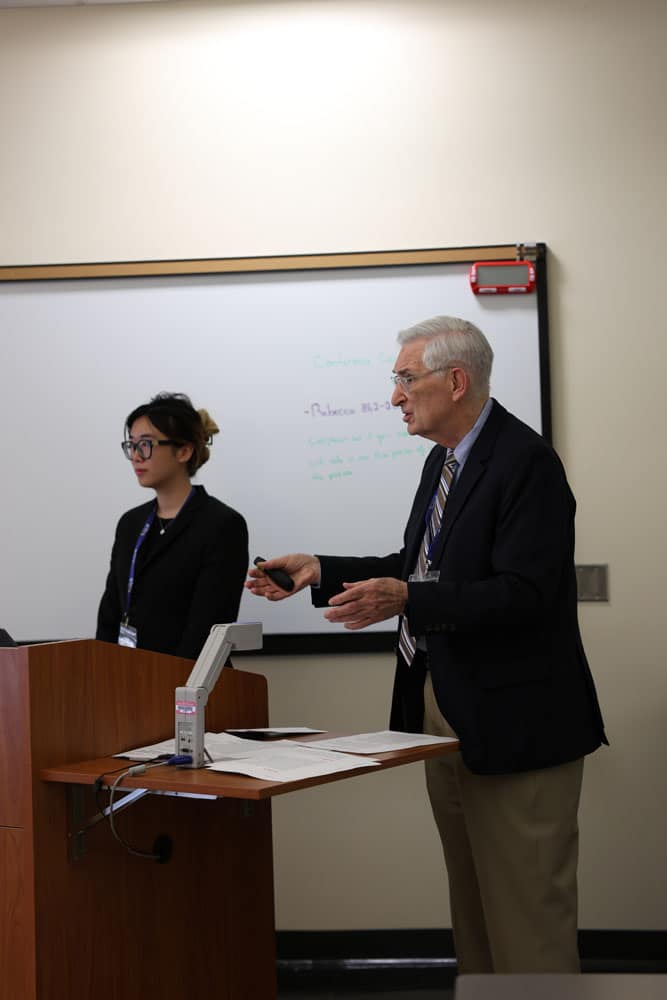
The conference offered diverse breakout sessions addressing key issues in higher education, from change management and financial sustainability to digital transformation and faculty support. Participants gained practical tools for aligning goals with outcomes, fostering inclusive leadership, and developing cultures of care and collaboration. Sessions also emphasized the growing role of AI and strategies for building resilient, people-centered institutions.

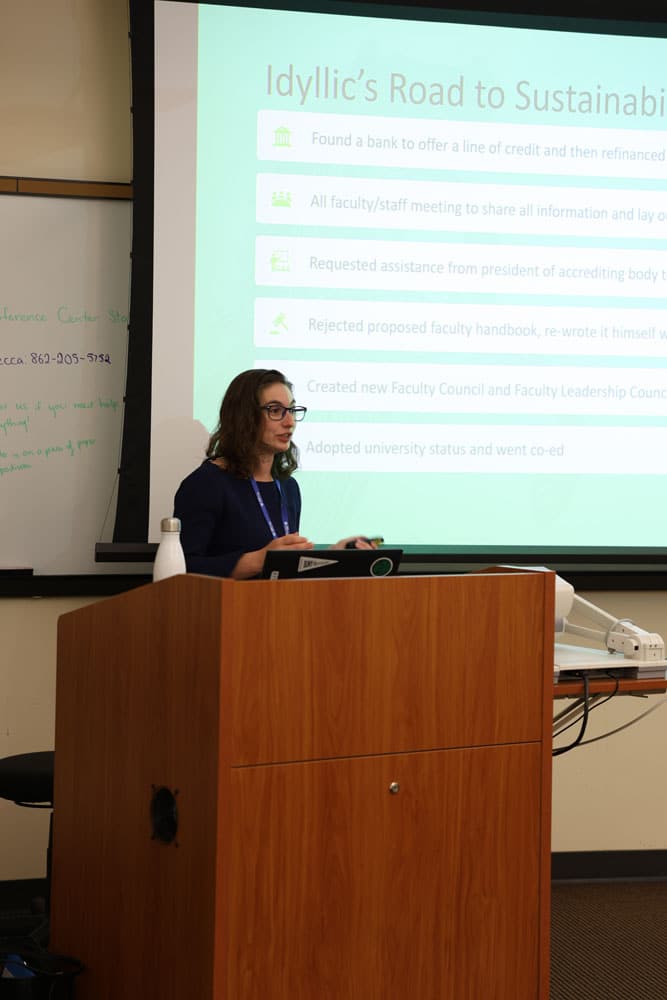
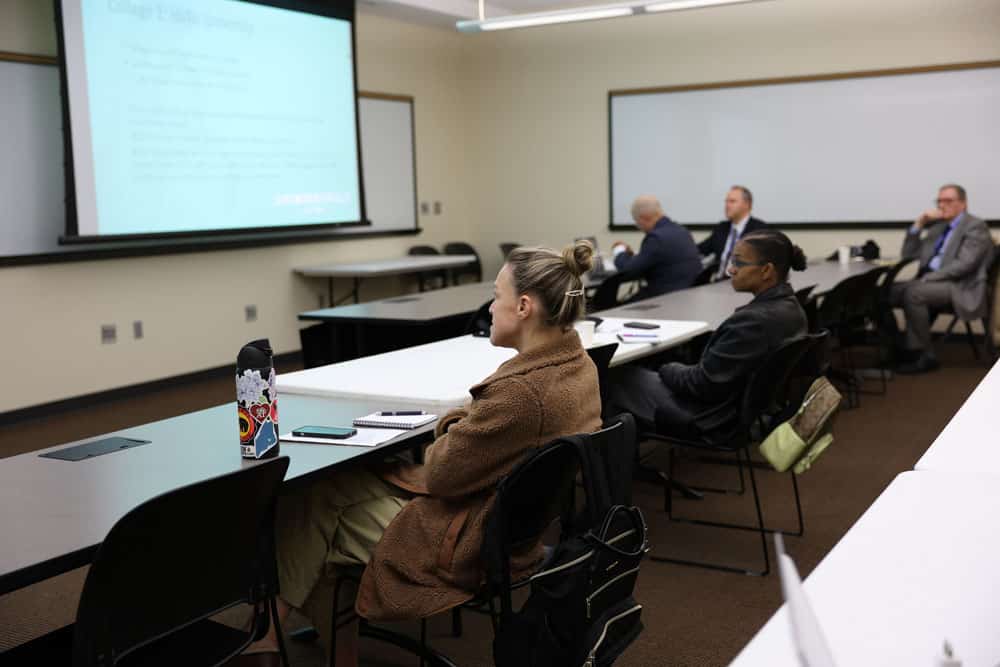
- Creating Agile Structures for an Agile University: “New” Ways of Leading Institutional Change and Innovation in a VUCA World – View Description
- The President and Their Constituents: Navigating Financial Challenges in an Environment of Shared Governance – View Description
- Rethink Your Investments: Aligning Campus Dollars to the Modern Learner – View Description
- Embracing “Un-leading” by Subverting Ego Towards Building a Strong Institution – View Description
- Leading Beyond Screens: Developing Effective Virtual Leaders – View Description
- Bridging the Gap: Leadership, Policy, and the Strategic Future of Higher Ed – View Description
- Relational Strategy in Action: Designing a Culture of Care Across Students, Staff, and Systems – View Description
- Using Concept Mapping, Backward Design, and a Library of Metrics to Develop an Institutional Strategic Plan – View Description
- Navigating shifts: Leveraging change models to lead forward – View Description
- Staying Steady When It’s Stormy: Leading with Emotional Intelligence – View Description
- Thriving in the Presidency: Strategies from Women and Gender-Diverse Leaders – View Description
- Demystifying University Boards: A Practical Guide to Board Governance and Strategic Partnership – View Description
- Using Economic Theories to Improve Higher Education Enrollment Strategies – View Description
- Best Practices for Supporting Student Success and Retention: A Multi-Institutional Perspective – View Description
- Financial & Regulatory Considerations in Addressing the Precipitous Closure of Private, Non-Profit Higher Education Institutions in the United States – View Description
- Level Up Your Learners: AI-Powered Durable Skills Training – View Description
- Offering Insight: Designing Cross-Functional Development Across a Division – View Description
- Investing in People, Building the Future: Leadership Development in Action – View Description
- Closing the Support Gap: Tools for Engaging University Partners in Managing the Adjunct Support Crisis – View Description
- How Coaching Can Transform Your Professional Development Programming – View Description
- Compassionate Compliance in the Face of Regulatory Uncertainty – View Description
- An overview of Title VI – View Description
Breakout Session
Creating Agile Structures for an Agile University: “New” Ways of Leading Institutional Change and Innovation in a VUCA World
In a rapidly changing higher education landscape, many leaders still cling to the status quo, resisting meaningful and lasting innovation. This session invites leaders to rethink institutional change by combining top-down direction with bottom-up creativity, guided by Agile management principles. Participants will explore a new framework for change and discuss how shifting mindsets, challenging assumptions, and separating the roles of “leader” and “changemaker” can empower institutions to adapt and thrive.
Breakout Session
The President and Their Constituents: Navigating Financial Challenges in an Environment of Shared Governance
Colleges facing long-term financial strain often struggle to make necessary changes amid shared governance and competing stakeholder interests. This case study highlights how three presidents successfully restored financial stability, with support from their boards and shared governance structures. While strategies vary by institution, common lessons from these successes can be applied across sectors and types of financial challenges.
Breakout Session
Rethink Your Investments: Aligning Campus Dollars to the Modern Learner
Learner preferences and behaviors in higher education have shifted dramatically in recent years, making the traditional linear journey and age-based definitions obsolete. Today’s “Modern Learner” seeks institutions that align with their evolving expectations and values. Success depends on reaching learners with the right message, in the right place, at the right time. This session will explore strategies for aligning campus investments to meet Modern Learner needs and build a sustainable financial future for higher education.
Breakout Session
Embracing “Un-leading” by Subverting Ego Towards Building a Strong Institution
Subverting ego in leadership can positively impact organizational health, team dynamics, and individual vitality in academic settings and beyond. By setting aside personal pride and self-importance, leaders can prioritize institutional goals, inspire hope, and foster future leaders. This session explores the elements and challenges of ego, as well as strategies for building strong relationships and cohesive teams through intentional mentorship. Using case scenarios, situational judgment exercises, and organizational psychology research, presenters will guide attendees in self-assessing ego-driven behaviors and understanding their ripple effects. Participants will leave with practical strategies to provide guiding leadership that supports growth for both individuals and organizations.
Breakout Session
Leading Beyond Screens: Developing Effective Virtual Leaders
This session brings leaders and developers together to explore leadership development opportunities and challenges in a virtual environment, while sharing best practices, tools, and technologies, and fostering collaboration and networking to create meaningful learning experiences for associates.
Breakout Session
Bridging the Gap: Leadership, Policy, and the Strategic Future of Higher Ed
In higher education, compliance is often seen as restrictive, but when paired with transformational leadership, it can become a strategic asset. This session examines how aligning institutional goals with regulatory realities fosters ethical governance and strengthens strategy. Through real-world examples, we will explore how data-driven decisions, cross-functional collaboration, and a culture of integrity can turn compliance into a driver of institutional effectiveness. Participants will gain practical insights for leveraging policy to enhance adaptability, accountability, and mission-driven outcomes.
Breakout Session
Relational Strategy in Action: Designing a Culture of Care Across Students, Staff, and Systems
Amid institutional uncertainty and burnout, Post University has implemented a campus-wide relational strategy to embed proactive care into student experiences, faculty development, and remote workforce culture. This unified care ecosystem integrates mental health support, emotional literacy, and leadership development through a shared framework of relational presence. The session will detail a multi-layered implementation model, including the shift from outsourced crisis response to an internal, values-aligned system. Attendees will gain scalable tools and strategies for creating integrated care systems within their own institutions.
Breakout Session
Using Concept Mapping, Backward Design, and a Library of Metrics to Develop an Institutional Strategic Plan
Creating a strategic plan with effective metrics is a major challenge for university administrators. In this session, Dr. Glynn will demonstrate how concept mapping can connect institutional goals directly to measurable outcomes. He will also show how a comprehensive metrics library can be used in reverse to develop goals and objectives through backward design. Participants will learn how linking this process to an institutional model can clarify purpose and improve communication with stakeholders.
Breakout Session
Navigating shifts: Leveraging change models to lead forward
This interactive session introduces practical models to help educators lead effectively during times of transition. Participants will explore frameworks for guiding teams, fostering supportive cultures, and building resilience, then apply them to their own contexts. Attendees will leave with strategies for adaptive leadership, team alignment, and navigating ongoing or unexpected challenges.
Breakout Session
Staying Steady When It’s Stormy: Leading with Emotional Intelligence
Campus leaders face increasingly complex, emotionally charged challenges, often without tools to address the human side of leadership. This session examines how Social and Emotional Intelligence can foster compassionate, steady leadership in times of crisis. Through practical strategies and real-world examples, participants will explore what it means to lead with awareness and integrity when stakes are high. Attendees will reflect, connect, and leave with tools to respond to campus disruptions with greater clarity and confidence.
Breakout Session
Thriving in the Presidency: Strategies from Women and Gender-Diverse Leaders
With support from the ECMC Foundation, HERS conducted a qualitative study involving nearly 30 women and gender-diverse individuals who are current or former college presidents, along with executive coaches who support them. The study aimed to uncover strategies these leaders use to thrive in their roles. In this session, key findings from the analysis of the data—conducted by higher education researchers Pamela Eddy and Raquel Rall—will be presented. A panel of women college presidents will then offer their insights and reactions to the results, along with strategies that they themselves employ to thrive in their roles.
Breakout Session
Demystifying University Boards: A Practical Guide to Board Governance and Strategic Partnership
Understanding university board governance is critical for institutional success, yet often feels opaque to administrators. This session will clarify core structures, fiduciary responsibilities, and decision-making processes that drive effective boards. Participants will learn best practices for board composition, committee structures, and collaboration during both stable and crisis periods. Attendees will leave with practical strategies for preparing materials, communicating effectively, and leveraging board expertise to turn governance into a strategic partnership.
Breakout Session
Using Economic Theories to Improve Higher Education Enrollment Strategies
Colleges and universities are increasingly viewing students as consumers, a shift influenced by Human Capital Theory, which frames higher education as an investment for better career opportunities. This change, coupled with declining numbers of high school graduates, calls for new strategies in student recruitment and retention. Harvard economist Albert Hirschman’s model—exit, voice, and loyalty—offers a useful framework for understanding and influencing student behavior. This session will explore the theory and share practical examples of applying these concepts to improve enrollment and retention in various institutional settings.
Breakout Session
Best Practices for Supporting Student Success and Retention: A Multi-Institutional Perspective
In a time of rapid change and growing accountability, student success and retention are critical for institutional persistence. This panel features leaders from three institutions who will share evidence-based strategies for improving retention, enhancing student support, and addressing institutional challenges. Topics include leveraging self-reflection, adaptability, and data-driven approaches to integrate technology, boost engagement, and implement impactful initiatives. Panelists will also debunk accreditation misconceptions and highlight its role in driving continuous improvement.
Breakout Session
Financial & Regulatory Considerations in Addressing the Precipitous Closure of Private, Non-Profit Higher Education Institutions in the United States
U.S. higher education institutions face mounting challenges from declining enrollment, rising costs, volatile endowments, shifting demographics, and growing skepticism about the value of a degree. This presentation shares findings from an ongoing study assessing financial distress in private non-profit institutions and the regulatory frameworks they face. Recommendations will focus on strengthening engagement between at-risk institutions and regulators to preserve student equity and ensure degree continuity in the event of closure.
Breakout Session
Level Up Your Learners: AI-Powered Durable Skills Training
As AI automates more tasks, durable skills become even more critical, yet many employers report that recent graduates lack them. This session explores how AI can help close that skills gap rather than widen it. AI-driven practice environments and real-time feedback build communication, grit, and collaboration. Drawing on emerging research and early campus experiences, this talk offers data-informed principles that institutions can easily adapt. University leaders will leave with actionable steps to cultivate durable, AI-proof skills in their students.
Breakout Session
Offering Insight: Designing Cross-Functional Development Across a Division
Staff development shouldn’t stop at training checklists. This session introduces a proven model from an Enrollment Management division that sparks collaboration, leadership growth, and institutional connection. Learn how structured, cross-departmental learning deepens awareness, breaks down silos, and energizes campus culture — and leave with clear steps to launch it at your institution.
Breakout Session
Investing in People, Building the Future: Leadership Development in Action
Montclair State University’s HEAL and PROPEL programs foster leadership and professional growth among faculty and staff. The HEAL Fellowship helps faculty lead high-impact projects while building leadership skills through mentorship and engagement with university leaders. The PROPEL Project supports non-union managers and administrators with funded professional development, coaching, and opportunities to enhance leadership and institutional visibility. This session will share program design, implementation strategies, and lessons learned to help other institutions strengthen their leadership pipelines.
Breakout Session
Closing the Support Gap: Tools for Engaging University Partners in Managing the Adjunct Support Crisis
While pay disparities between non-tenure-track (NTT) and tenure-stream faculty are well known, the equally pressing issue of social and structural support gaps often goes unaddressed. This session highlights our faculty development office’s initiatives to better support adjunct faculty through direct engagement and collaboration with HR, the adjunct union, department chairs, deans, and other leaders. Drawing on surveys and field research, we will share strategies and tools that have proven effective. These approaches can be adapted by other institutions to strengthen support for adjunct faculty.
Breakout Session
How Coaching Can Transform Your Professional Development Programming
Coaching can enhance belonging, leadership, team effectiveness, and wellbeing for faculty and staff in higher education. This session explores how institutions can integrate coaching to support values, advance initiatives, and build community. In a “choose-your-own adventure” format, we will examine why coaching matters, how it can address institutional challenges, and where it can have the greatest impact. Attendees will engage in coaching-informed activities, discussions, and reflections to experience the benefits firsthand.
Breakout Session
Compassionate Compliance in the Face of Regulatory Uncertainty
This session presents an approach to developing or revitalizing a compliance program amid shifting regulatory environments. Emphasizing policy development, employee training, and risk mitigation, it offers strategies for creating a compassionate, stable, and effective program. Using the seven elements of compliance as a framework, attendees will gain tools to build strong foundations and foster campus-wide partnerships in uncertain times.
Breakout Session
An overview of Title VI
This session will provide an overview of Title VI and its history, highlight recent OCR guidance and case resolutions, outline best practices for policy updates, investigations, communications, and recordkeeping, and review how to apply this guidance in practice.
Sponsors
AAUA expresses sincere gratitude to the sponsors whose support made the 2025 National Conference possible. Their partnership helped foster meaningful dialogue and an environment focused on leadership, innovation, and professional growth. Their commitment continues to strengthen AAUA’s mission and community.


2025 Keynote Speakers
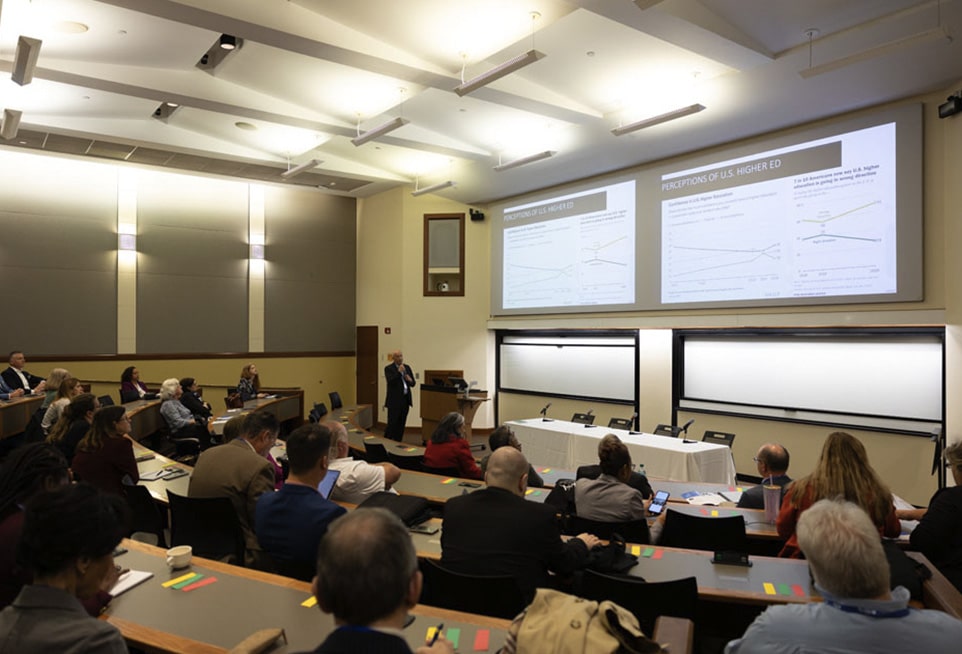
Simon Barker delivered an interactive session on issues and crisis management, offering practical strategies based on extensive hands-on experience.
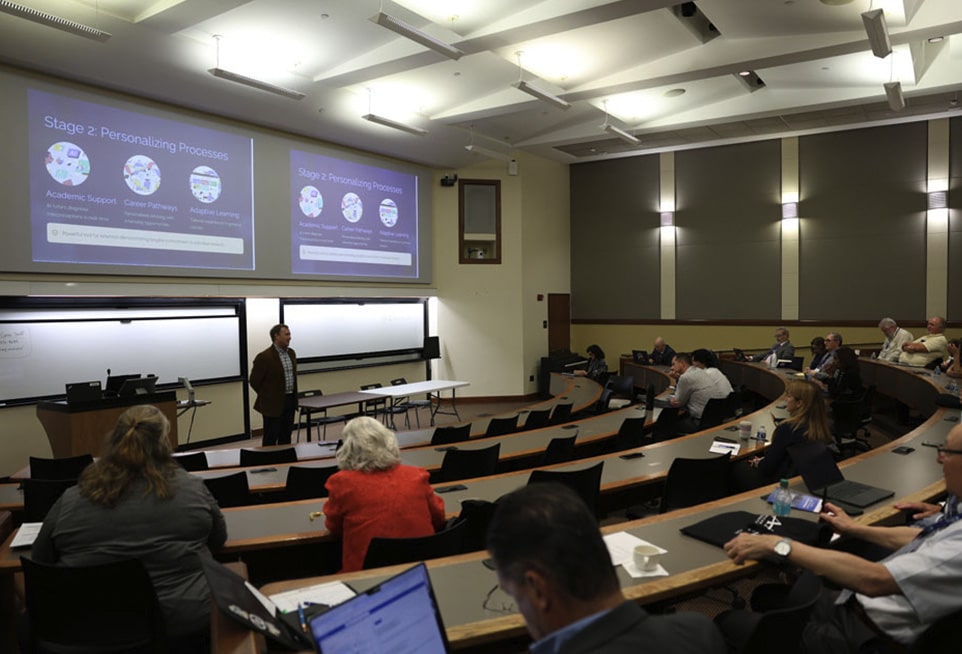
Adam Pryor presented on the ethical and strategic applications of AI in higher education and nonprofits, demonstrating how AI can enhance mission-driven work.
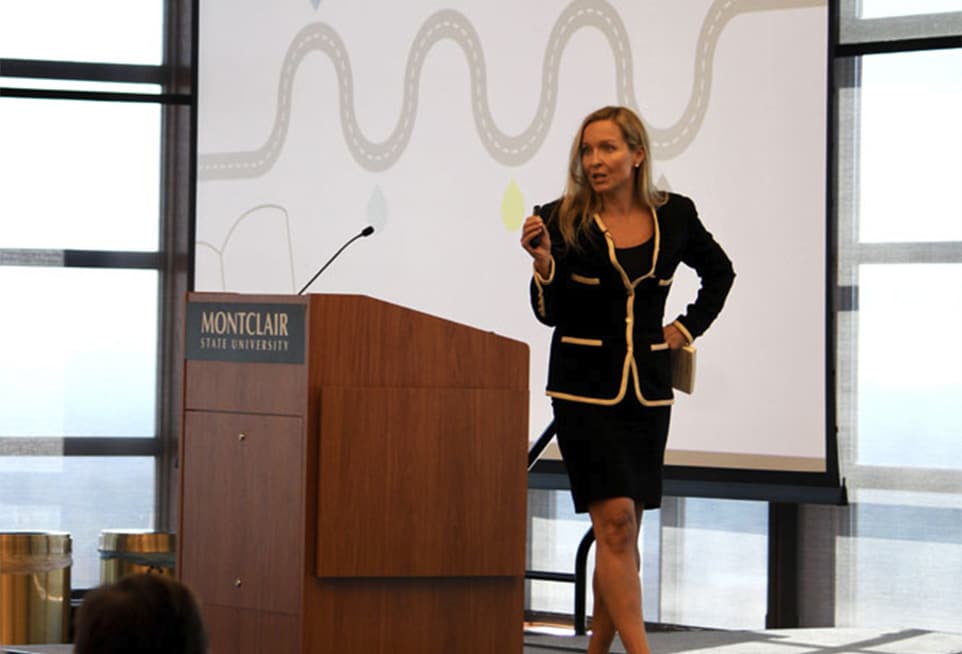
Jessica Riddell explored how higher education can drive societal impact, sharing tools from her Hope Circuits project and offering renewed inspiration for transformative leadership.
Awards Ceremony
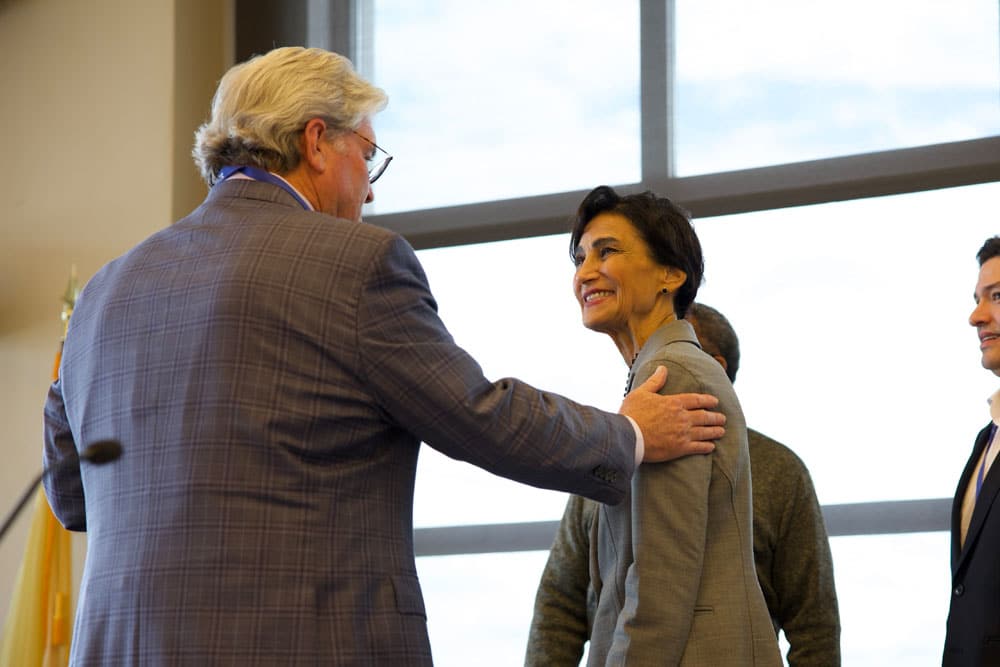
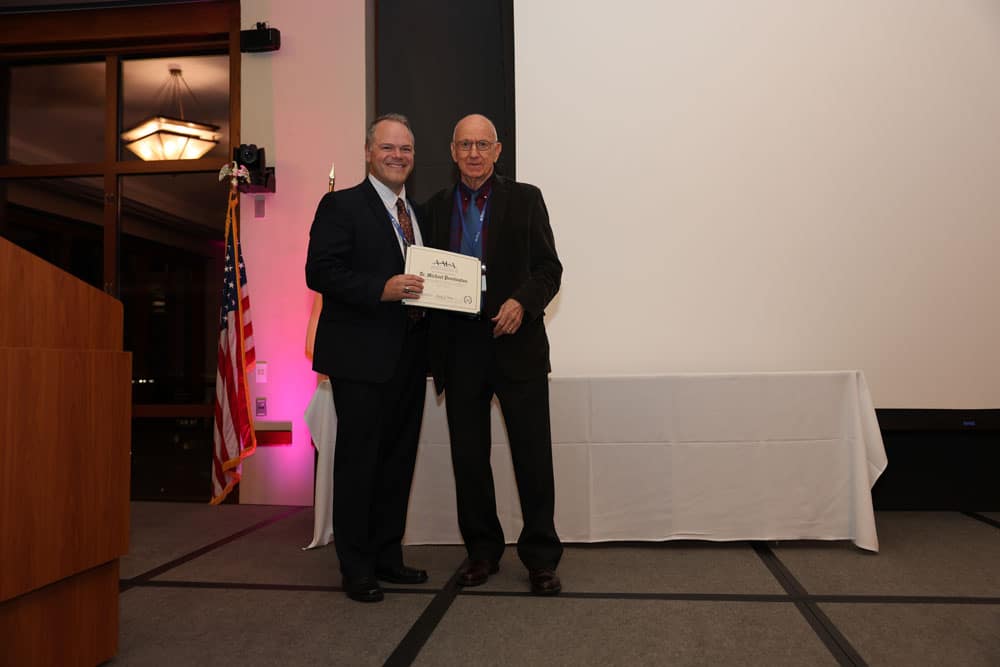
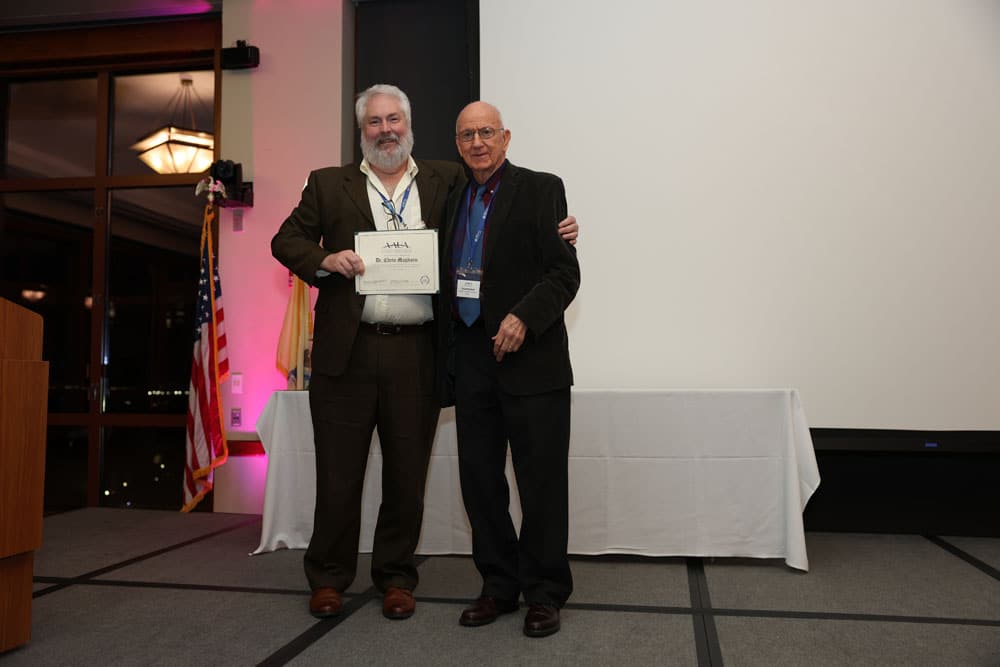
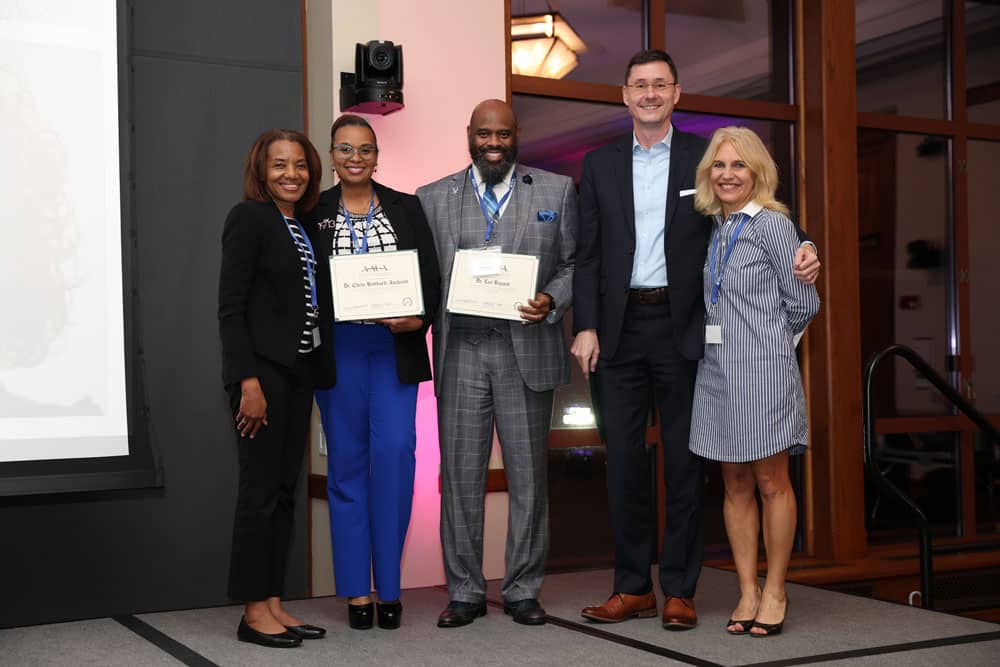
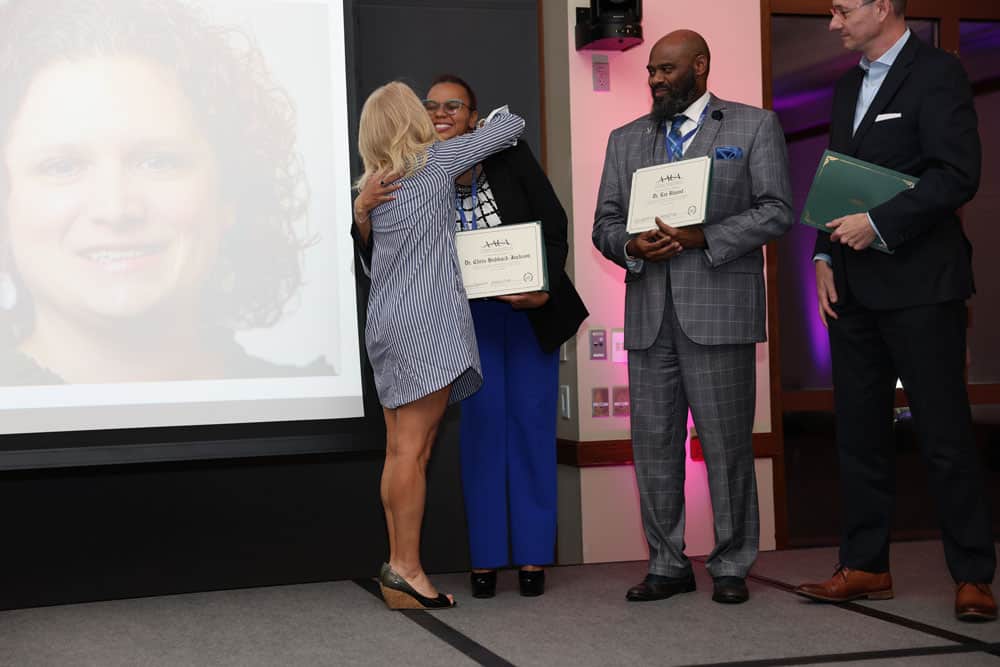
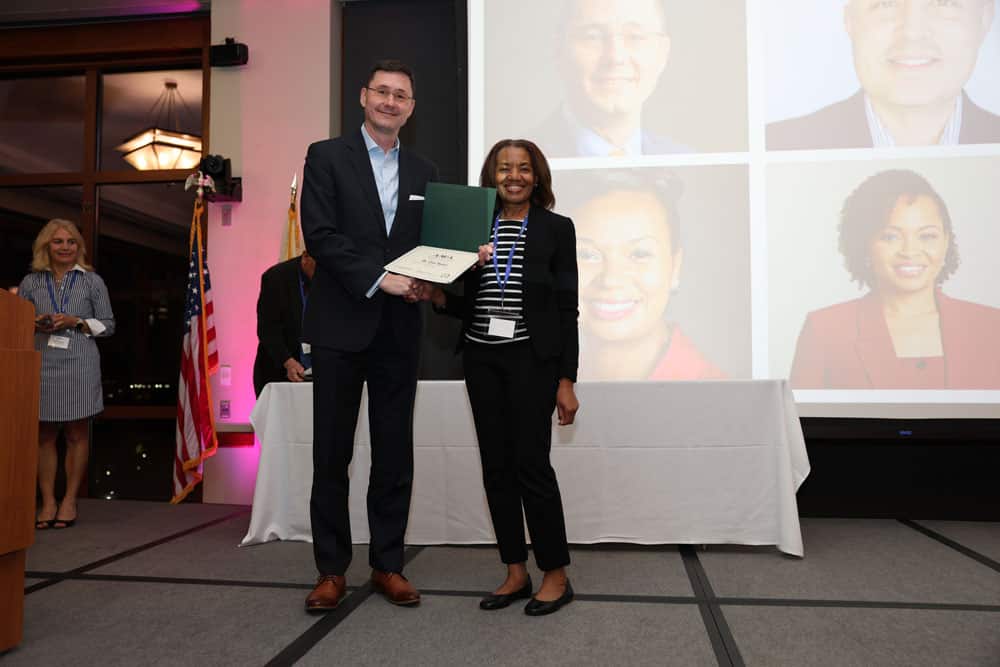
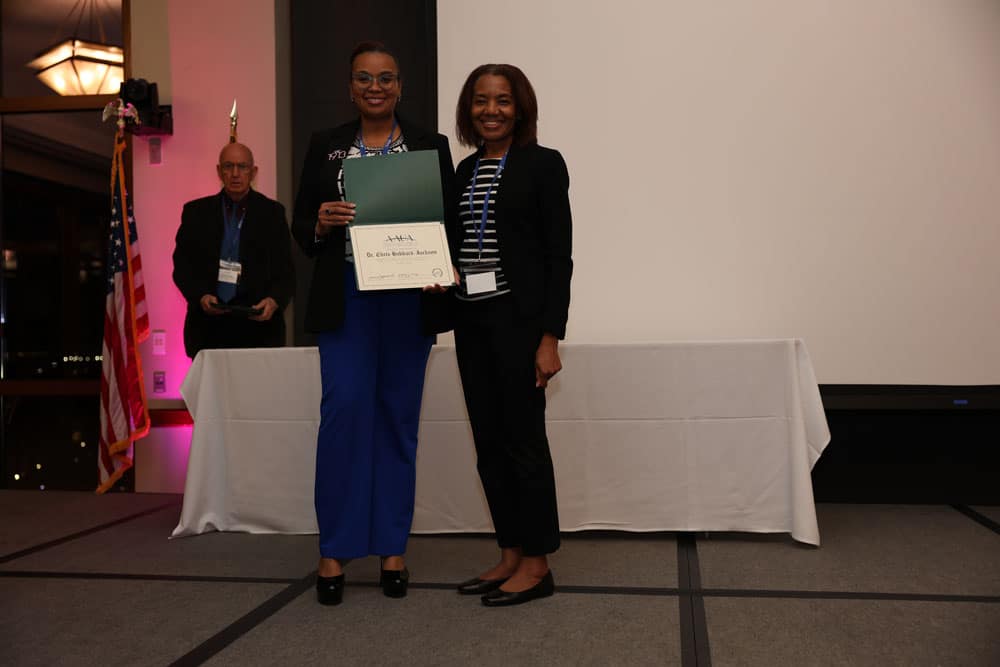
The awards ceremony, led by Jerome E. Neuner, honored recipients of several major AAUA awards, including the Dissertation Award, Best Article in JHEM, Khaladjan Award, Dual Award, DEI Award, Eileen Tosney Award, and the Cavanaugh Award for DEI. The AAUA Mentoring Program also recognized its mentees who successfully completed the program.
AAUA 2026 – Coming Soon
Cleveland, OH • October 2026
Follow along as we release the theme, speakers, and registration details in early 2026.