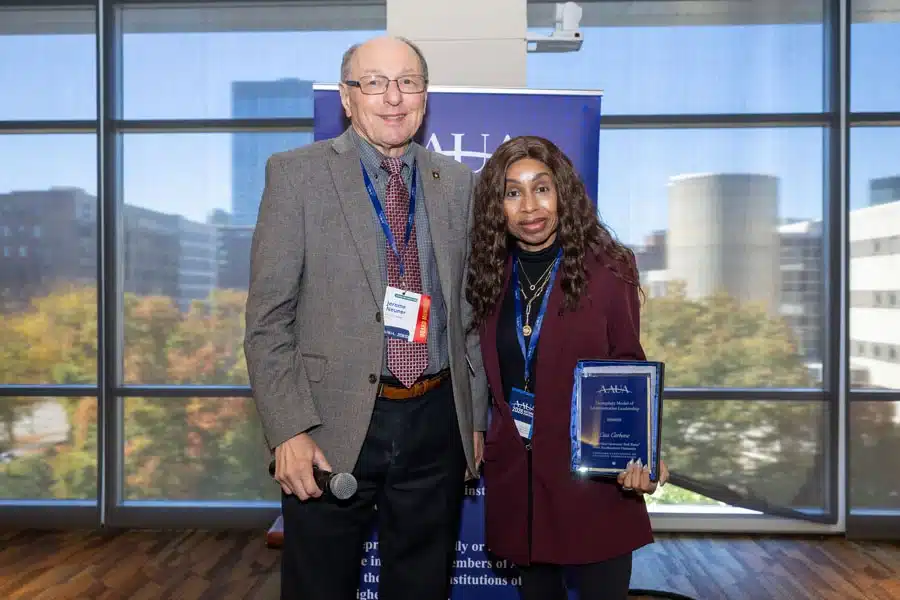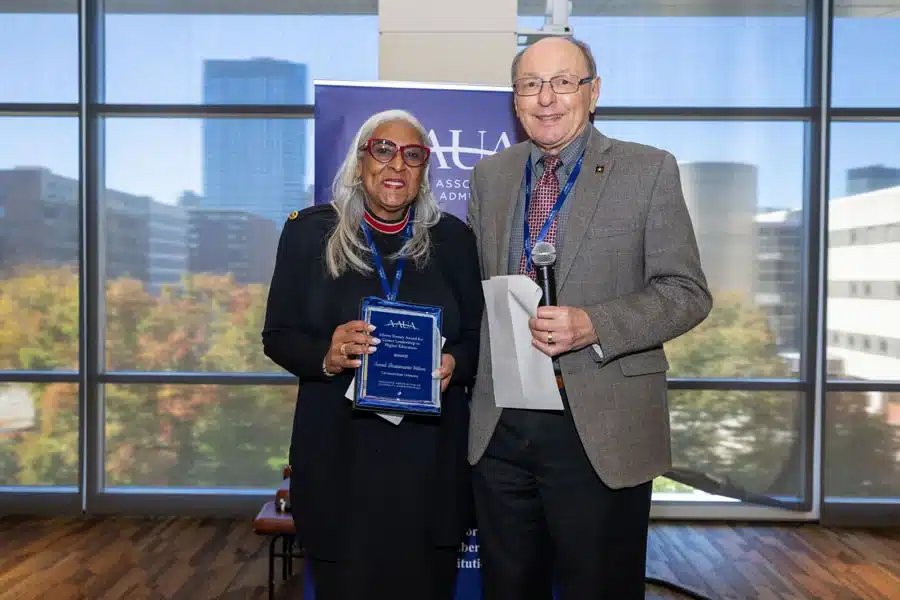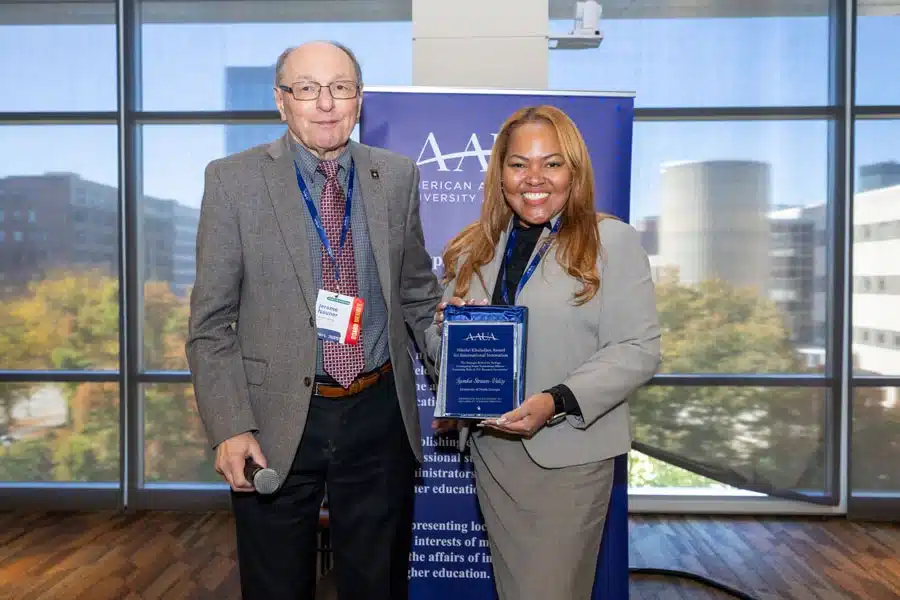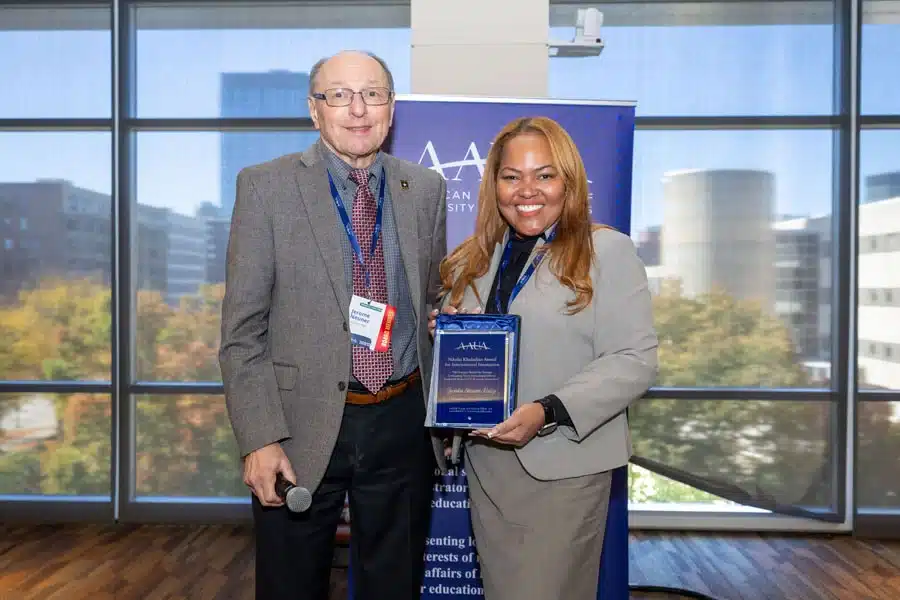
A Glance Back at the AAUA 2026 National Conference
“Realizing the Higher Education Value Proposition”
October 19-20, 2026 | Cleveland State University | Cleveland, Ohio
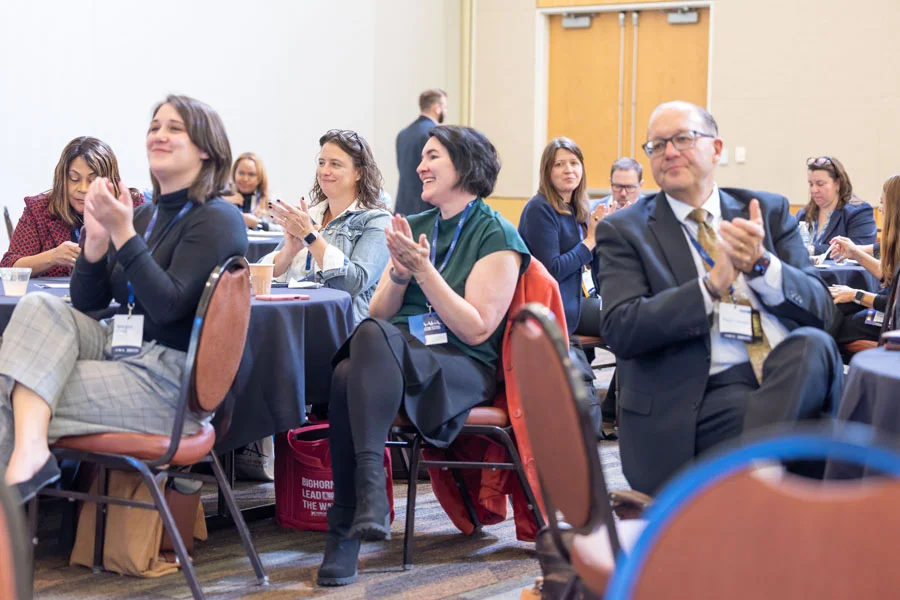
The 2026 AAUA Annual Conference brought together higher education leaders, administrators, and professionals in Cleveland, Ohio, for two days of meaningful discussion, collaboration, and professional development. Centered on the theme “Realizing the Higher Education Value Proposition,” the conference explored innovative strategies, emerging challenges, and opportunities to strengthen institutions and advance student success.
52
Educational Institutions Represented
11
Higher Education-Affiliated Organizations
9
Conference Sponsors
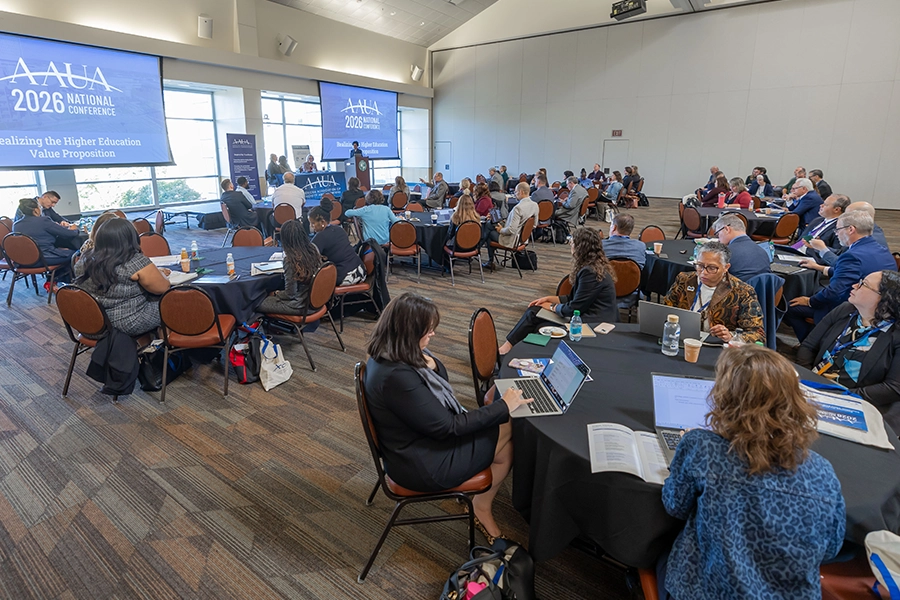
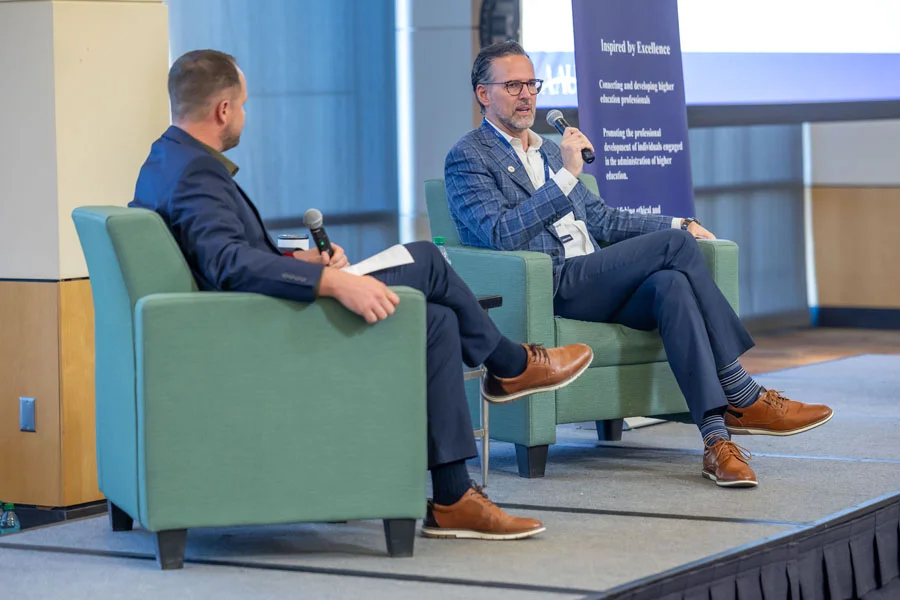
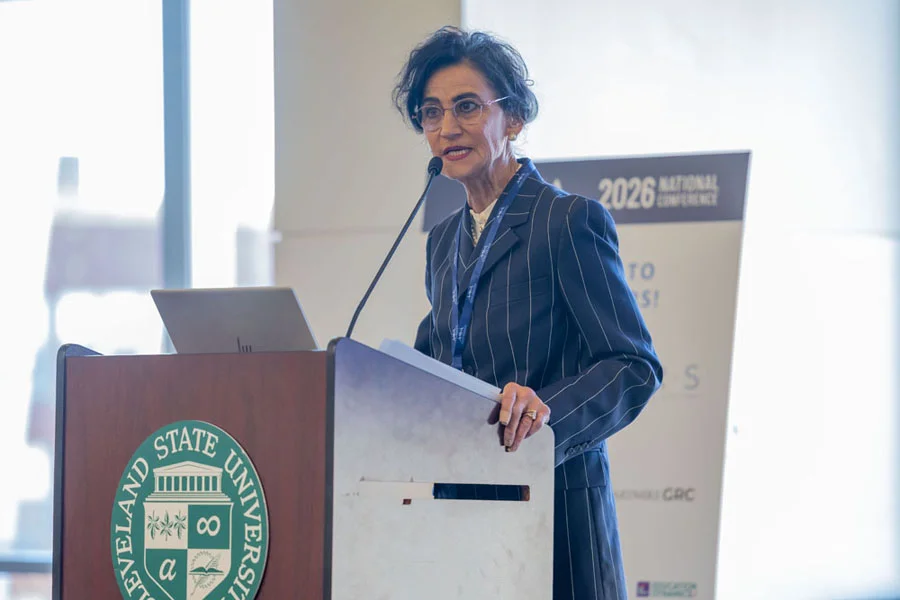
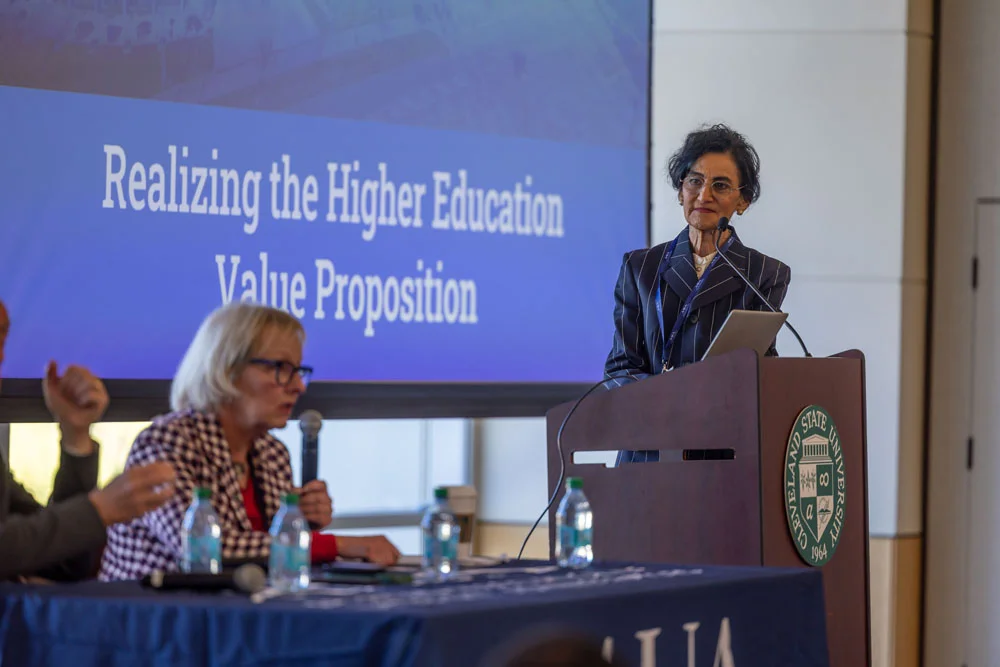
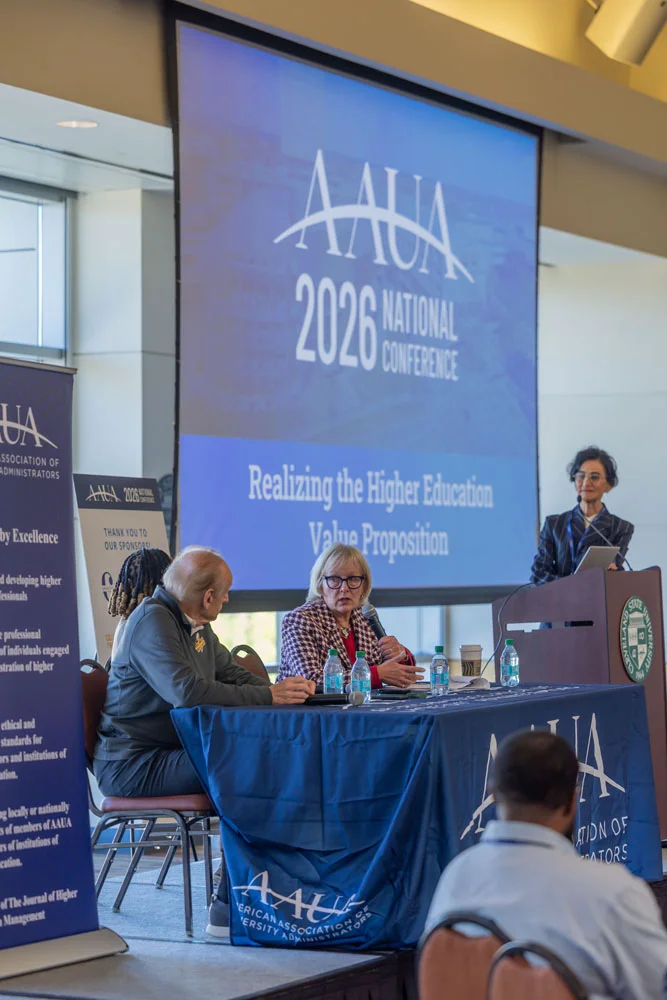
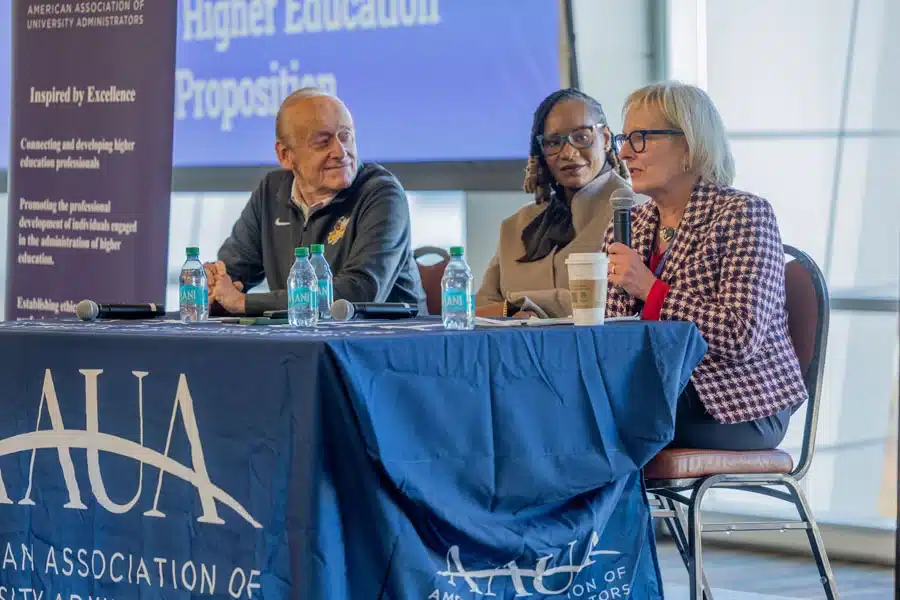
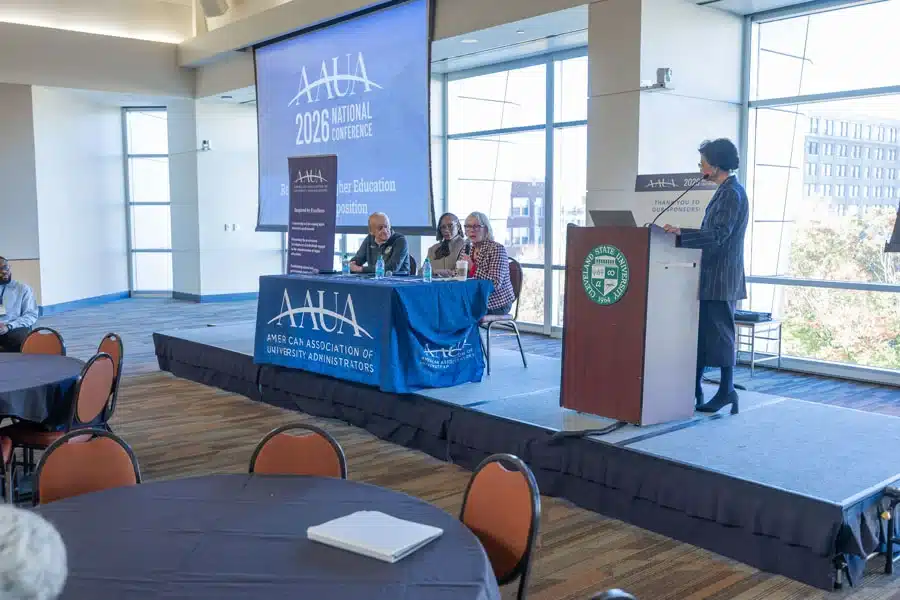
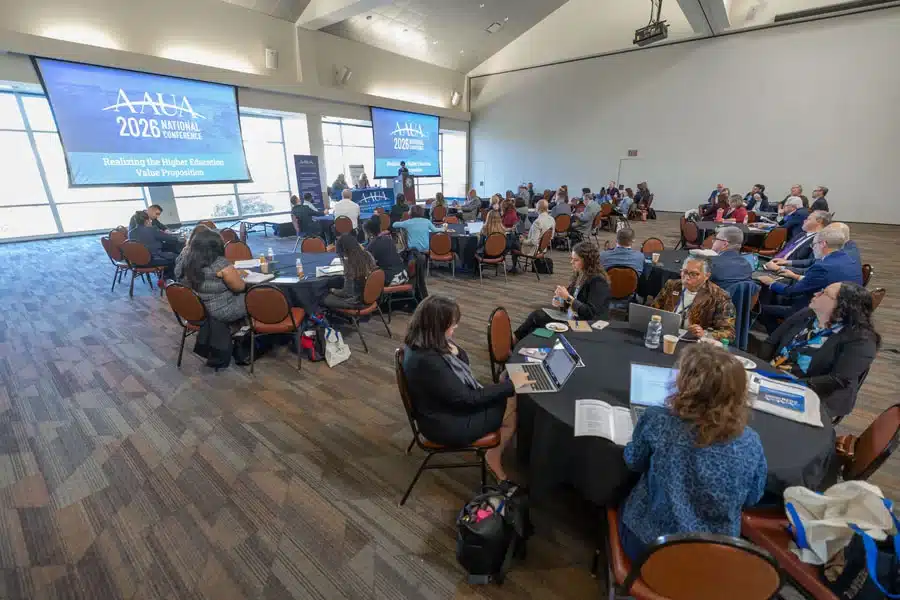
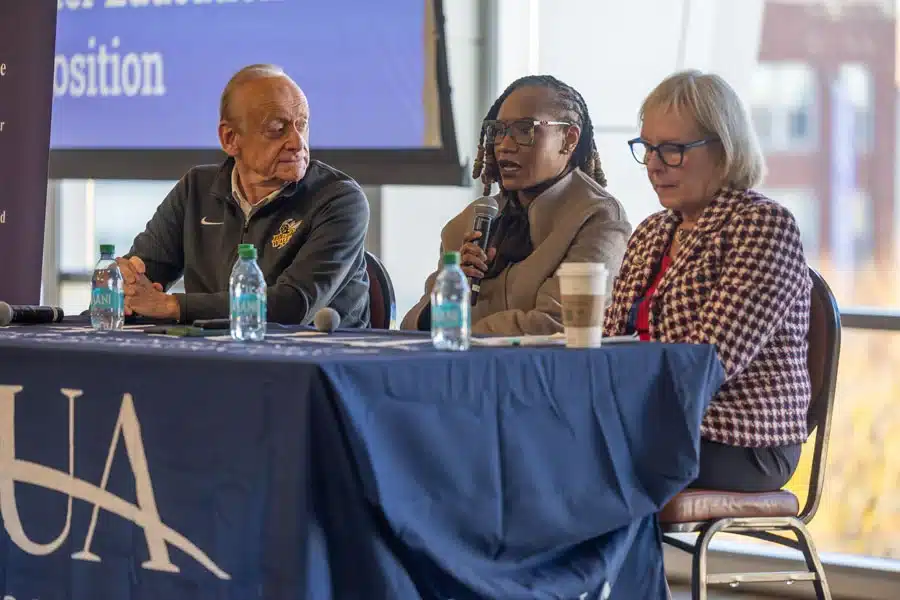
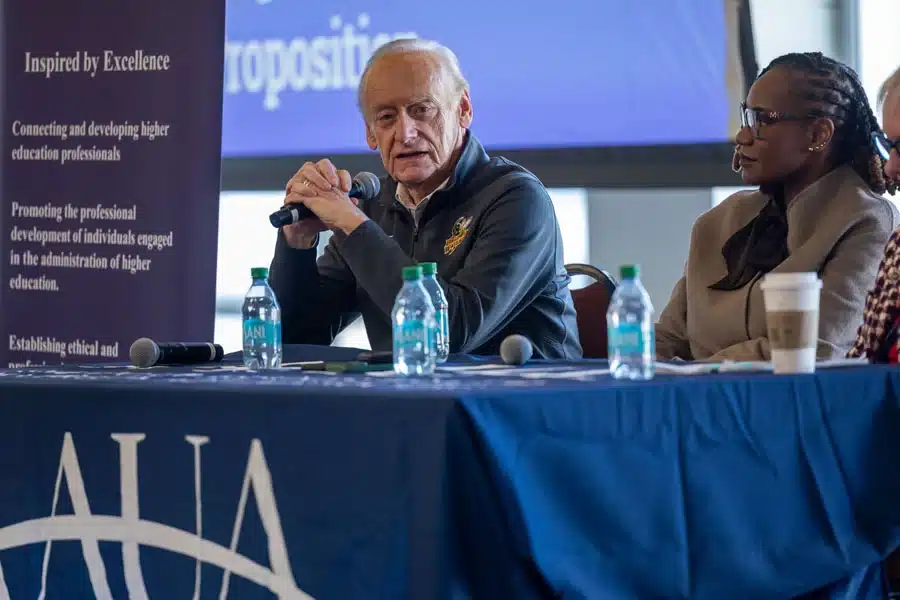
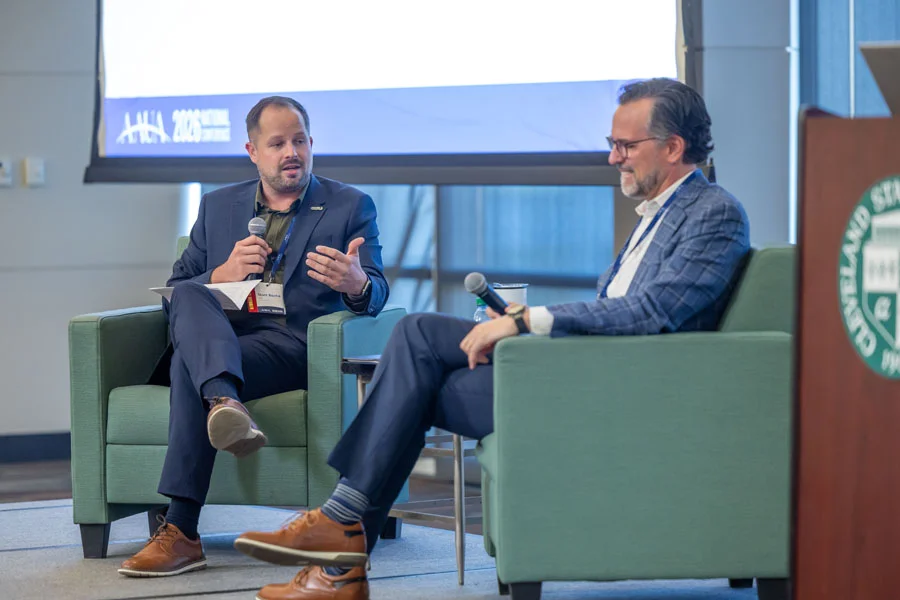
Presidential Panel
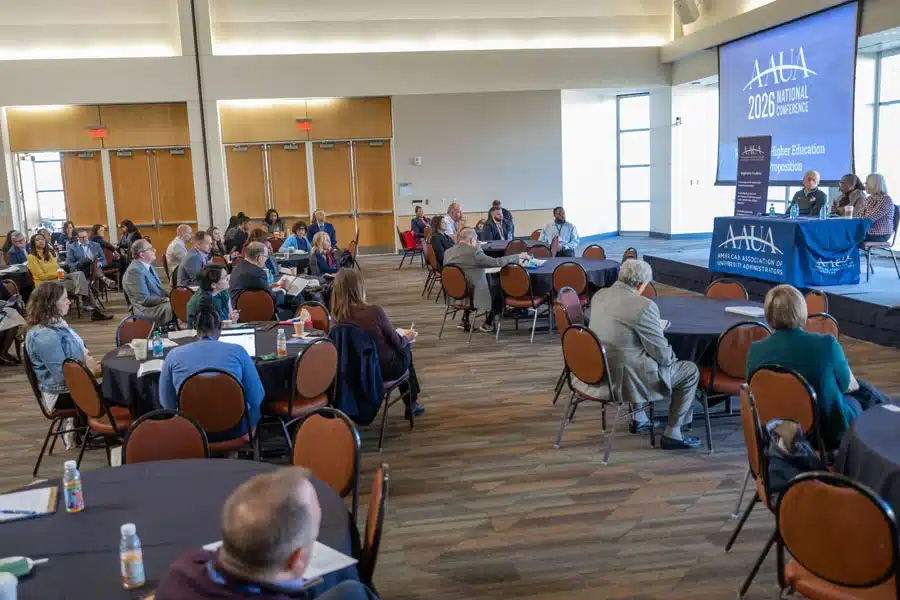
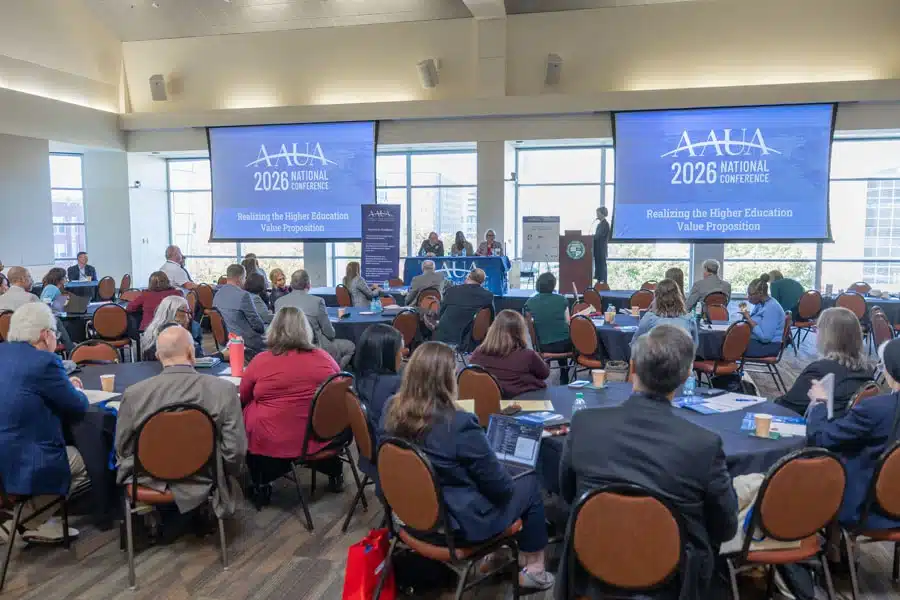
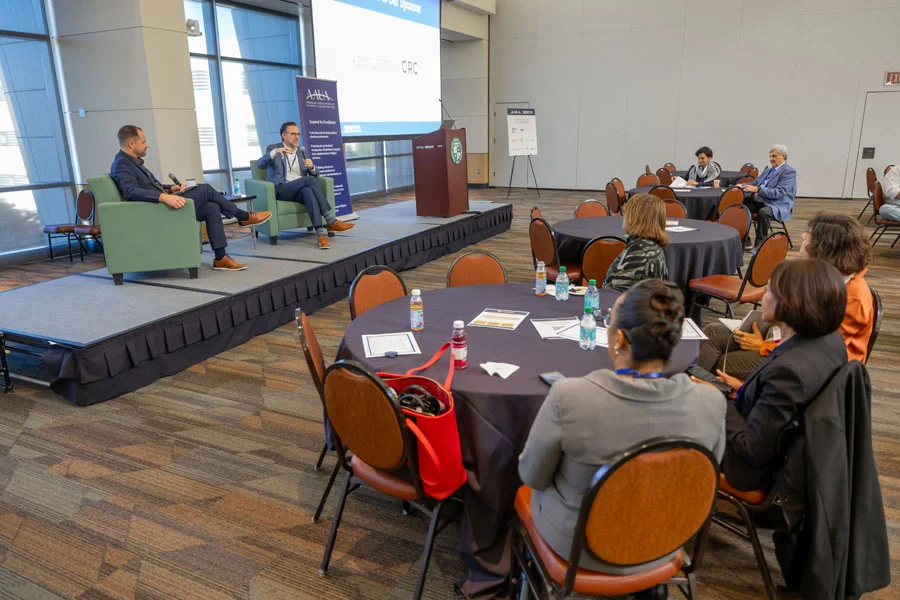
The conference opened with a presidential panel bringing together higher education leaders to discuss the evolving challenges and opportunities facing colleges and universities. The conversation explored the importance of innovation, adaptability, and purposeful leadership in demonstrating the continued value of higher education.
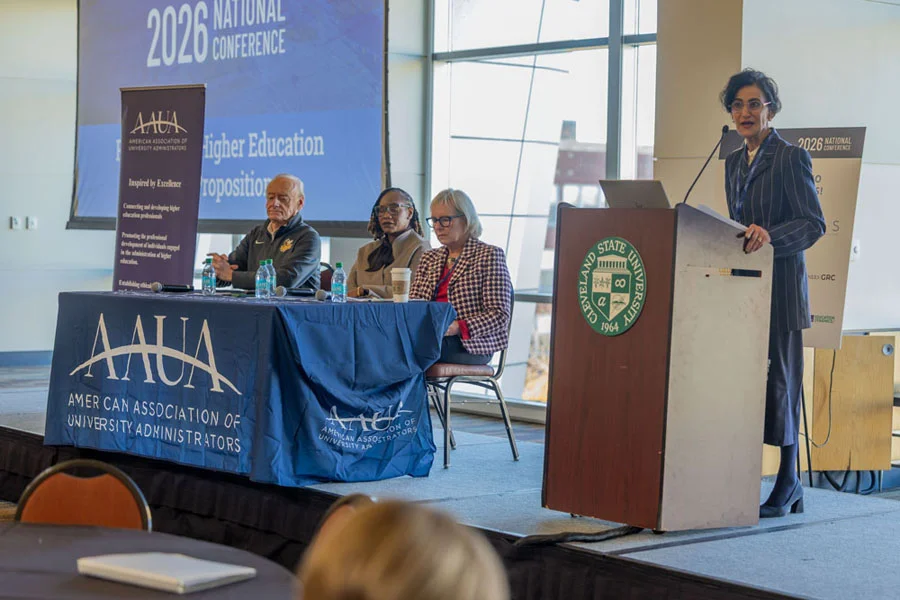
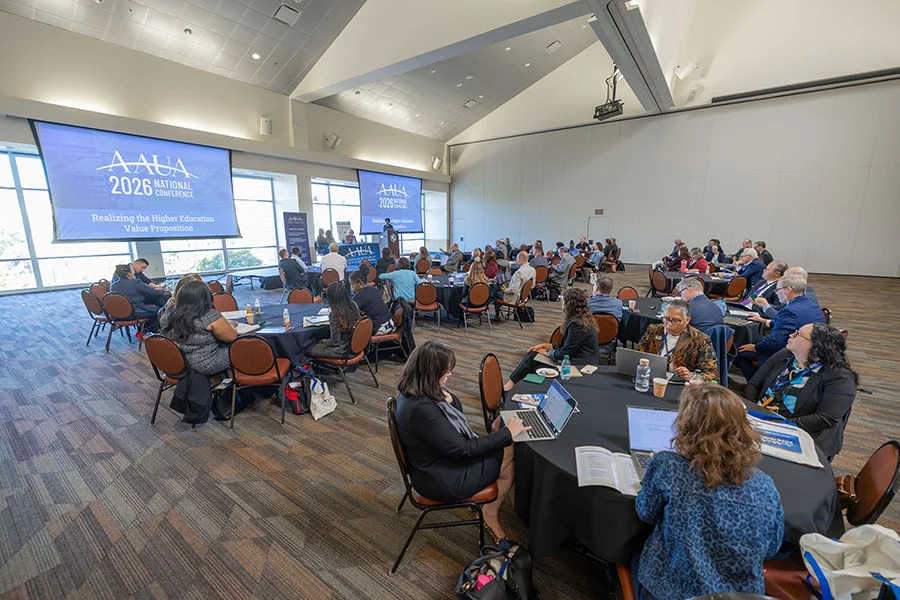
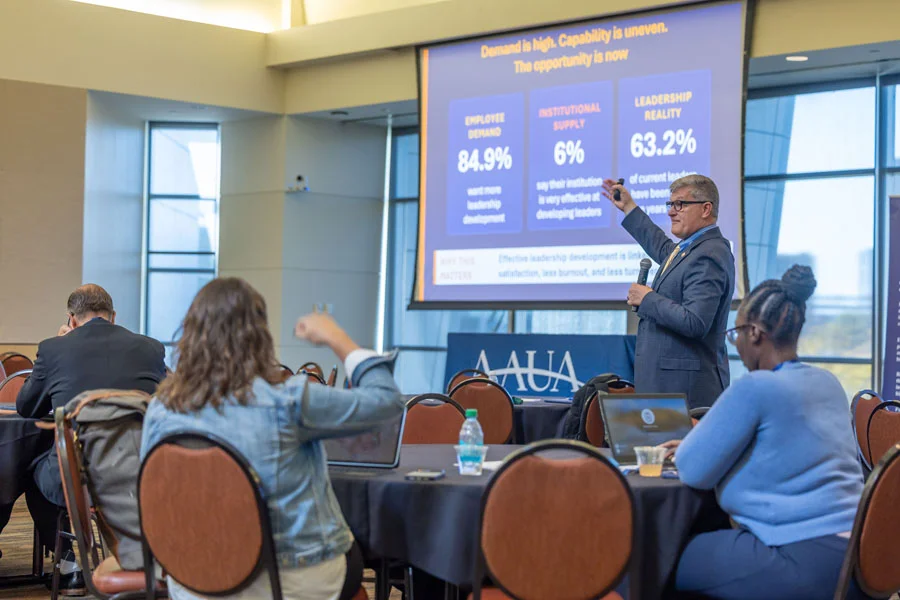
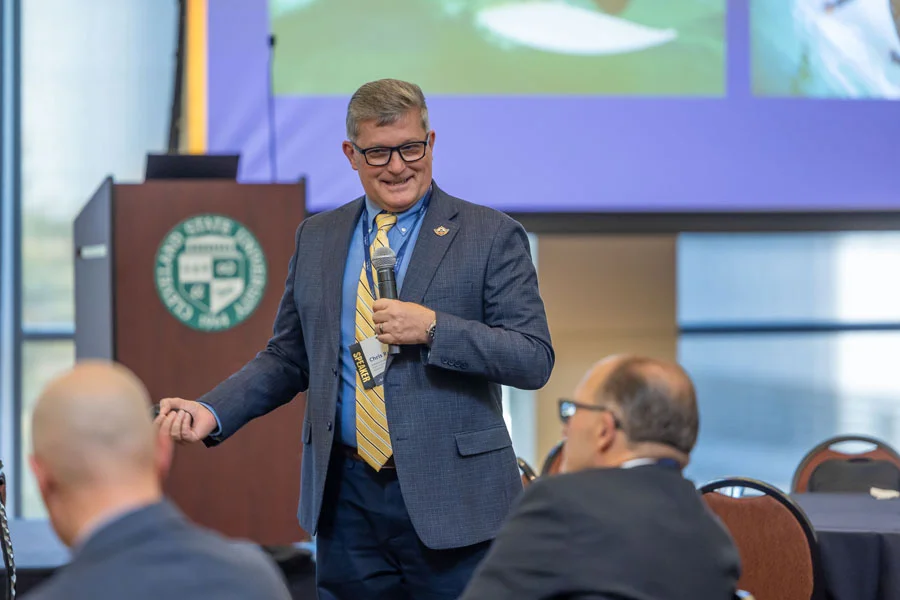
Breakout Sessions
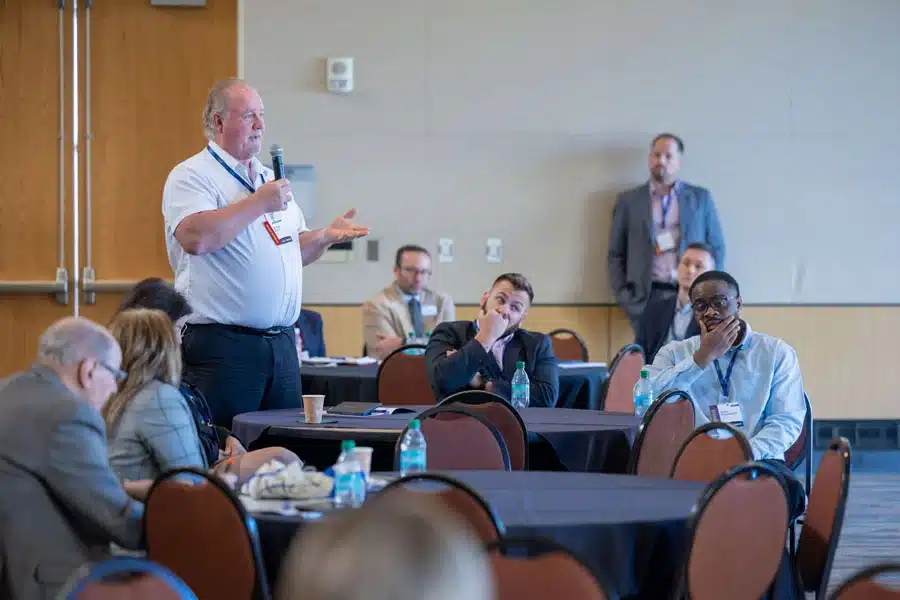
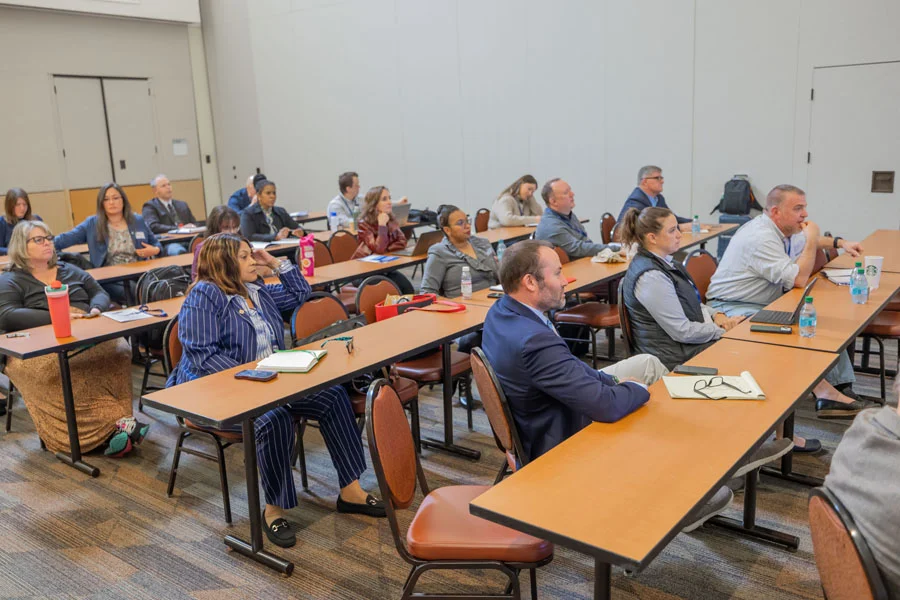
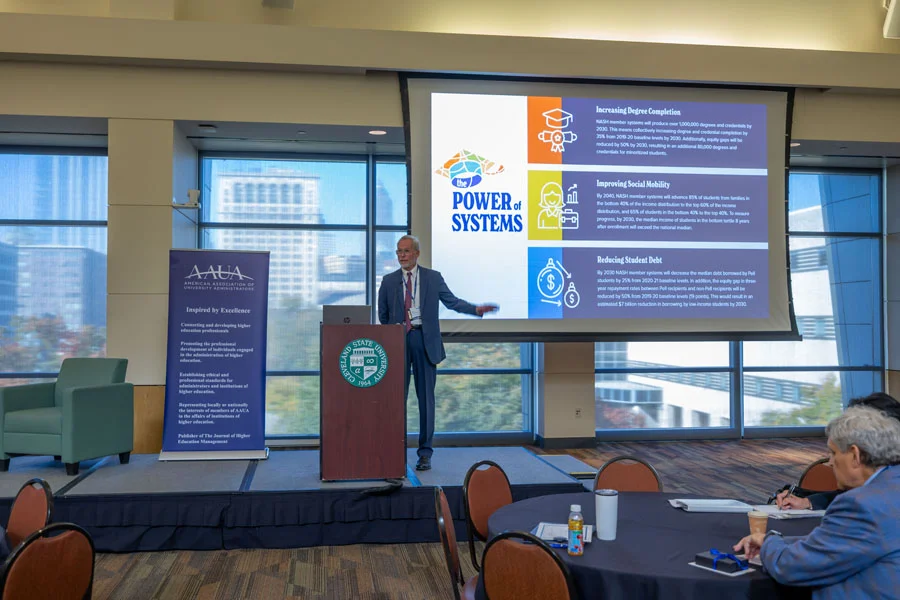
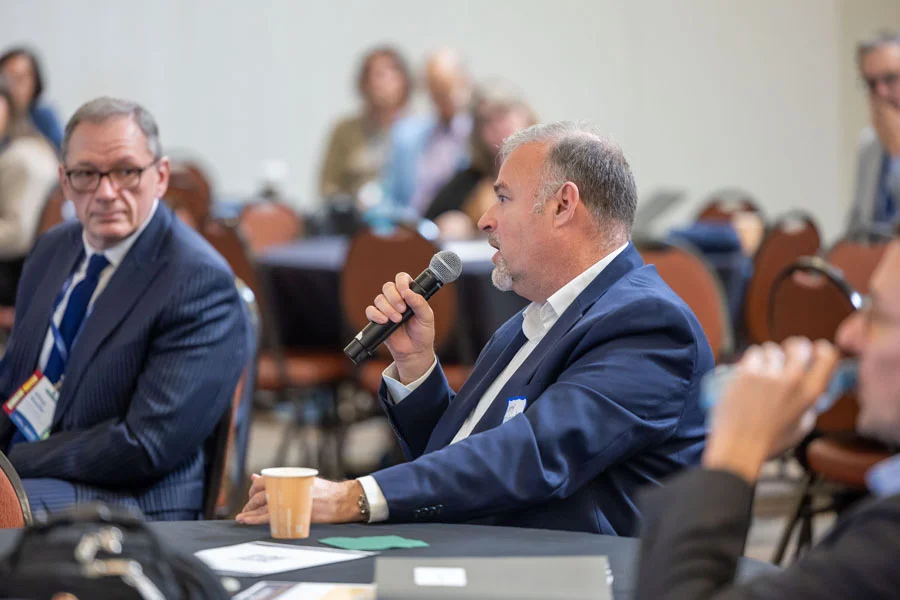
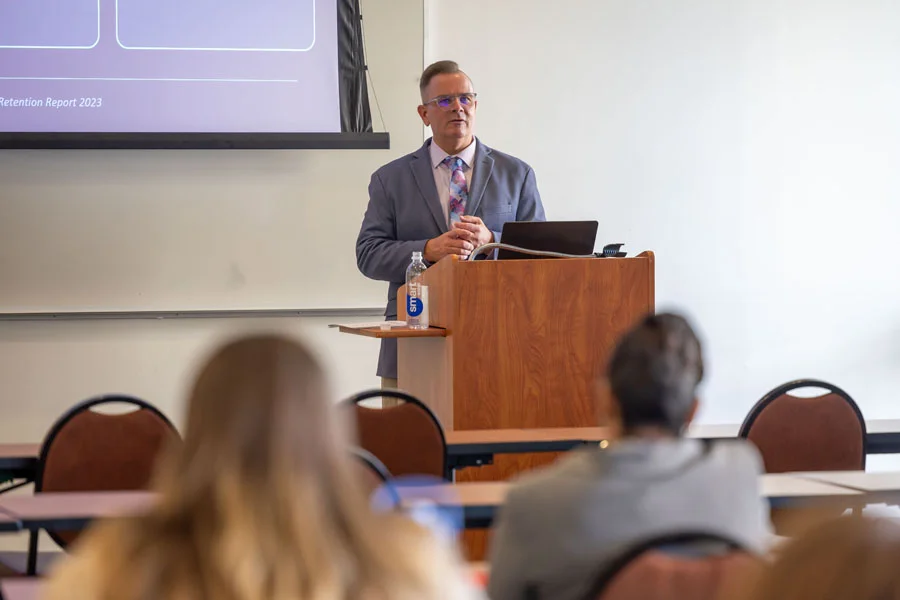
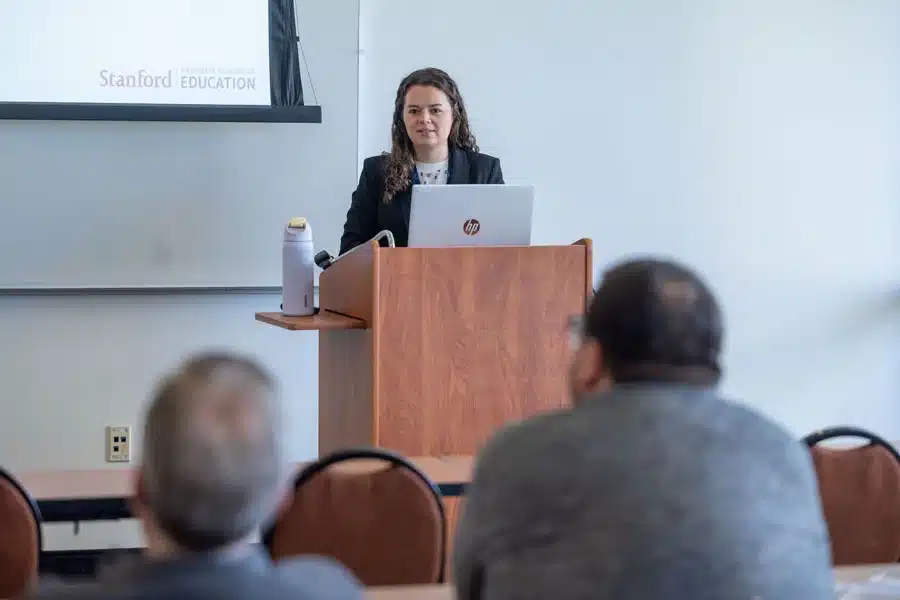
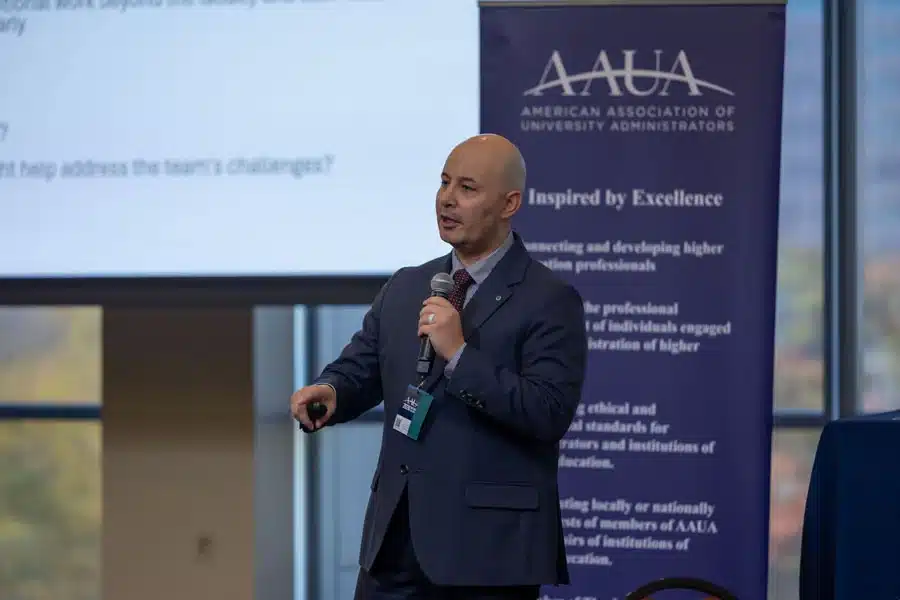
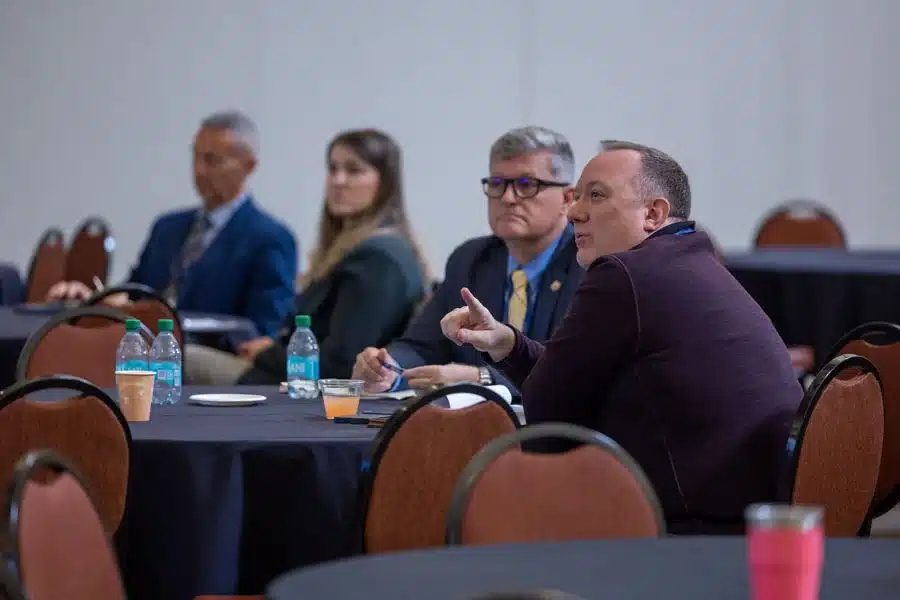
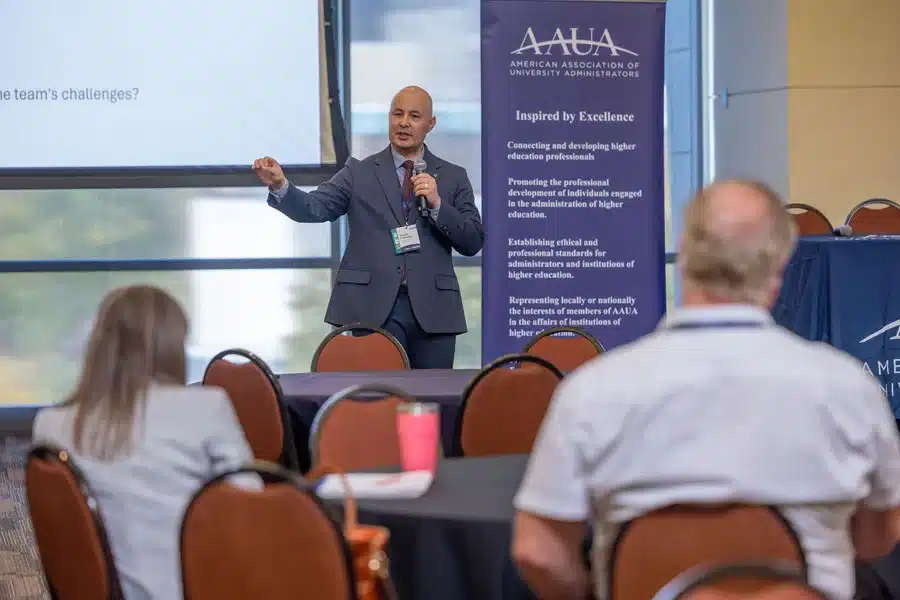
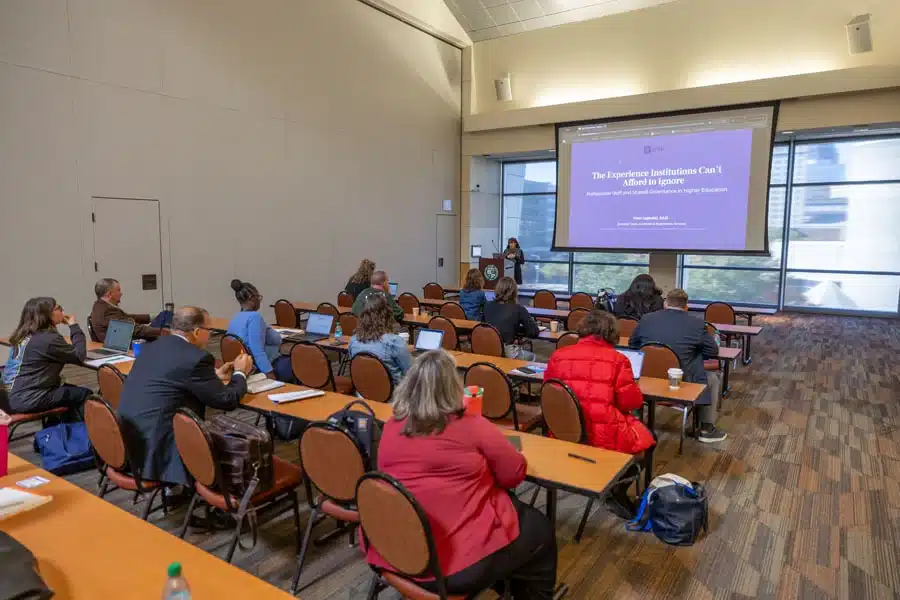
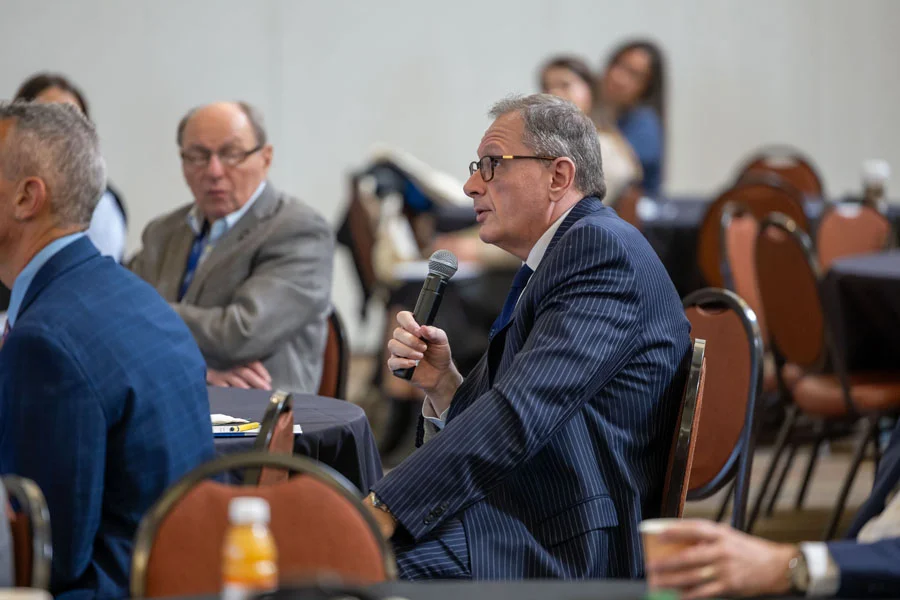
The conference featured a diverse range of breakout sessions addressing critical issues facing higher education, including leadership development, institutional effectiveness, student success, shared governance, and organizational resilience.
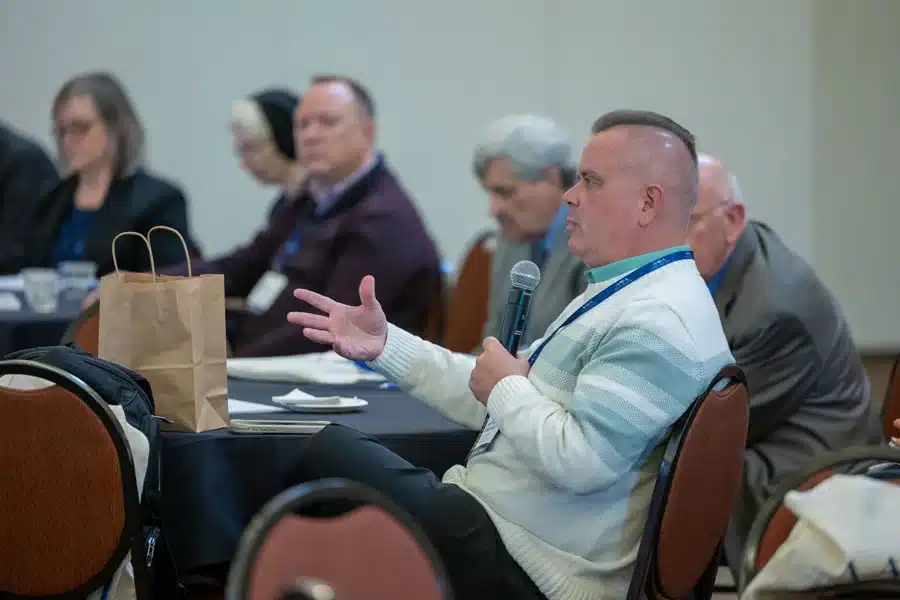
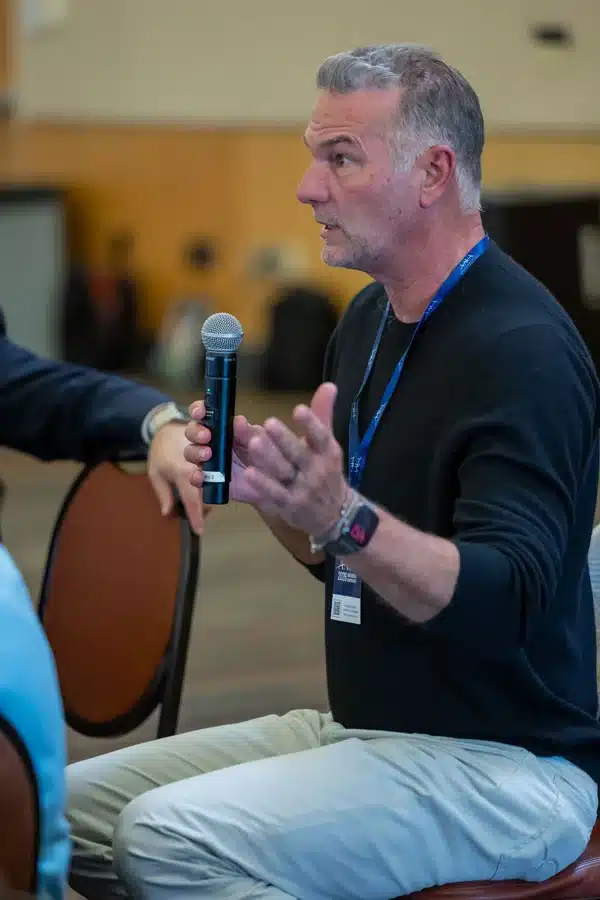
Through engaging presentations and collaborative discussions, attendees explored practical strategies for navigating change, strengthening institutional performance, and advancing the mission of higher education.
- The Value Proposition of Leadership Development Through an Equity-Centered Lens – View Description
- Better Than Ready – View Description
- You Know How to Lead. Now Learn How to Last. – View Description
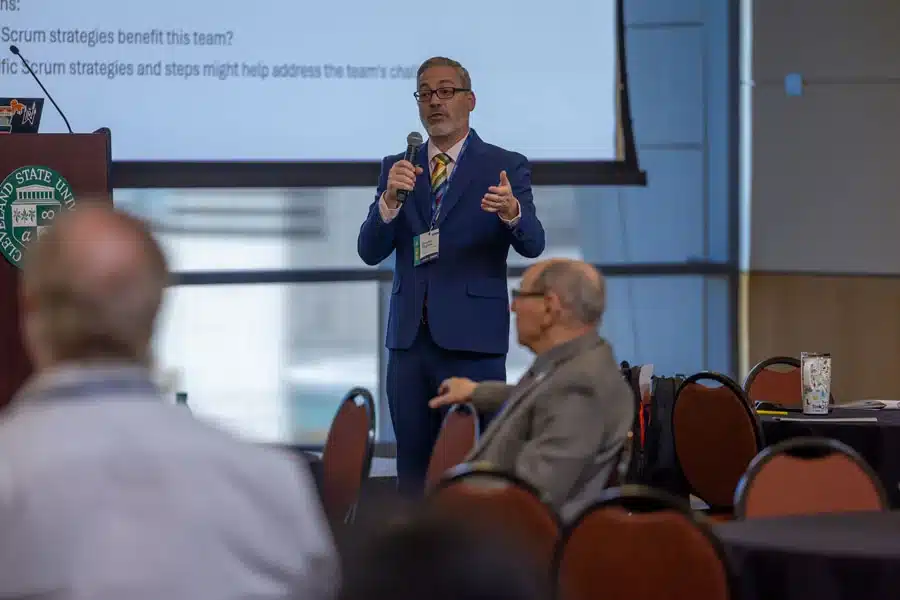
- SCRUM Strategies to Raise Organizational Goal Resilience – View Description
- College Athletics and Educational Mission in the Transfer Portal Era: Evidence from Division I Men’s Basketball – View Description
- The Expertise Institutions Can’t Afford to Ignore: Professional Staff and Shared Governance in Higher Education – View Description
- Aspire Auburn: Creating Institutional Value Through Leadership Development – View Description
- Leading the Value Proposition: How University Leaders Articulate Purpose and Public Value – View Description
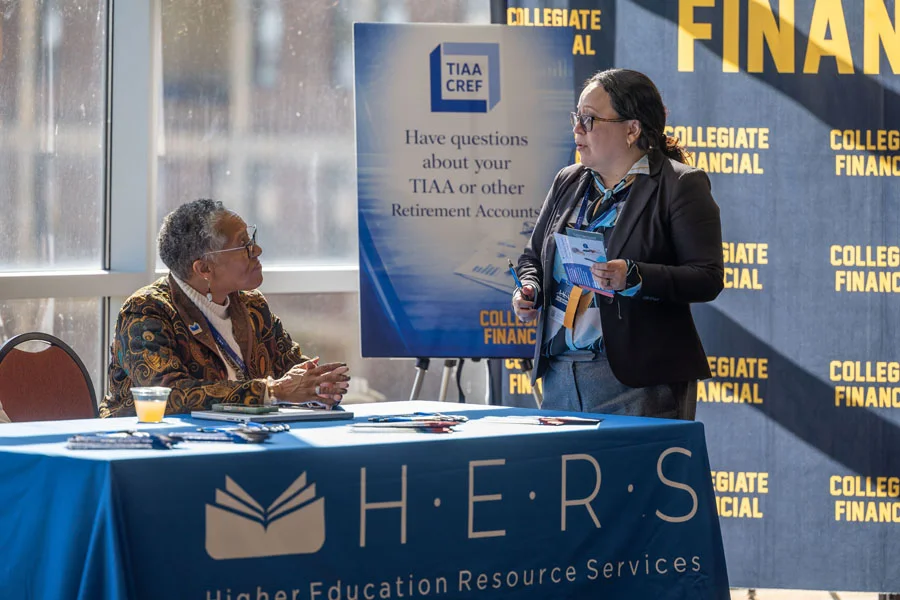
- Financially Strong Employees Build Stronger Universities – View Description
- Leading Through Change: How Otterbein University Is Redefining What’s Possible – View Description
- The NASH Executive Fellows Program: Adaptive Leadership for American College and University Systems – View Description
- Strategic Student Success Initiatives and Their Impact on Retention Outcomes – View Description
- Unlocking Opportunity: How Universities Can Remove the Cost of Credentials – View Description
- Badges, Belonging, and Big Wins: Rethinking Student Engagement for the Future – View Description
- The AI Frontier: Rebuilding Higher Education for an Intelligent Age – View Description
- The Value Proposition for Senior Leaders: Inclusive Executive Advising for University Administrators and College Presidents – View Description
- Recruiting Musicians and Artists like Athletes – View Description
- From Reacting to Organizing: A Practical Framework for Leadership Progression in Higher Education – View Description
- From Voucher to Victory: Maximizing Education and Training Voucher Funding as a Strategic Tool for Foster Youth College Success – View Description



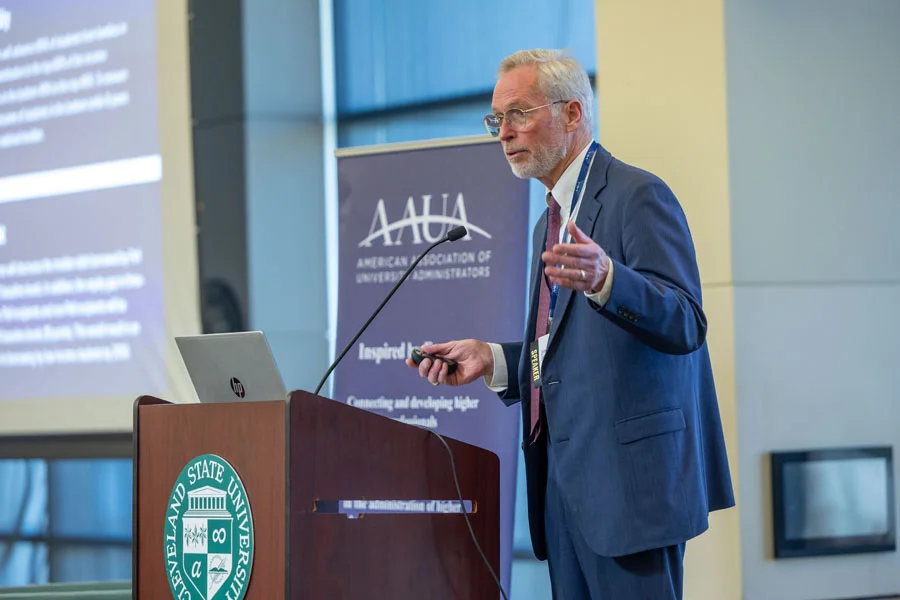
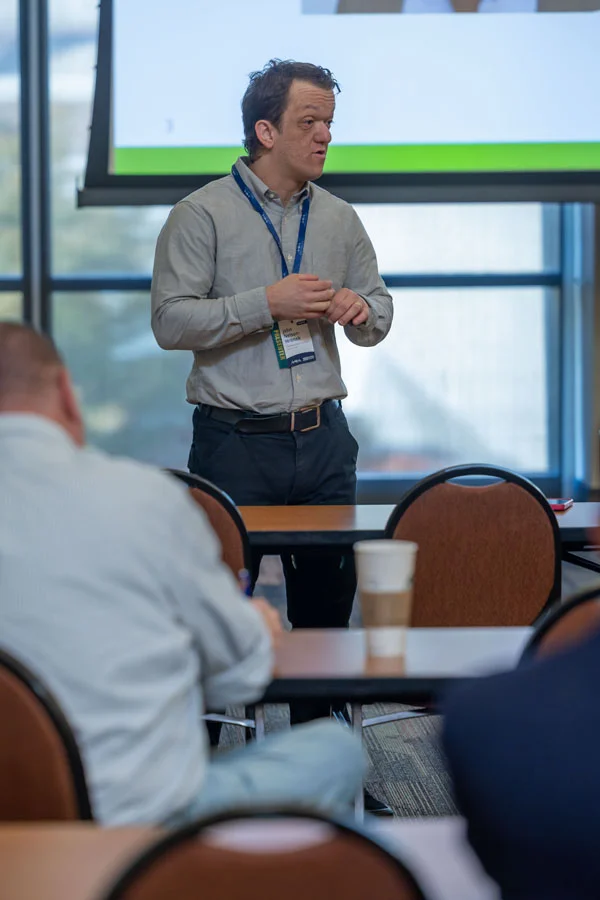
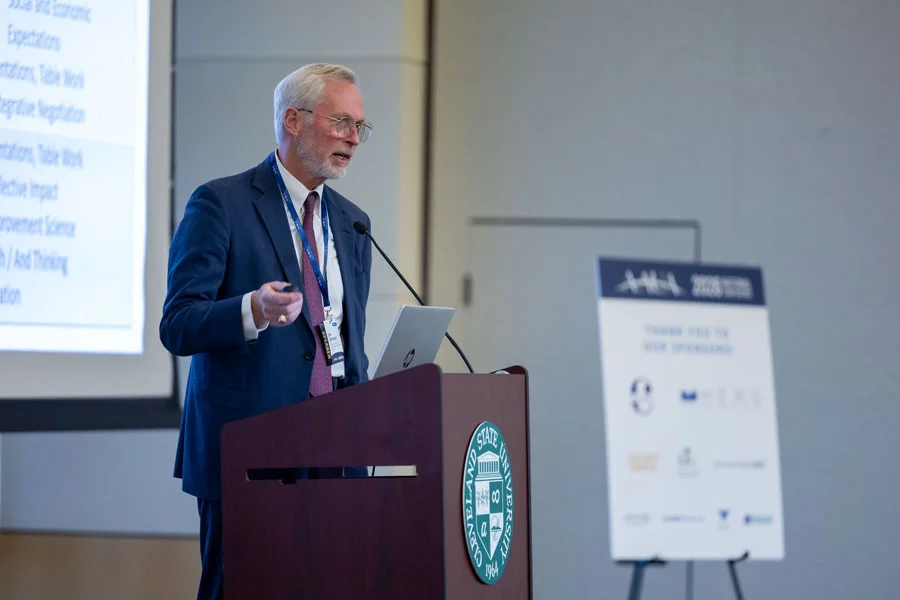
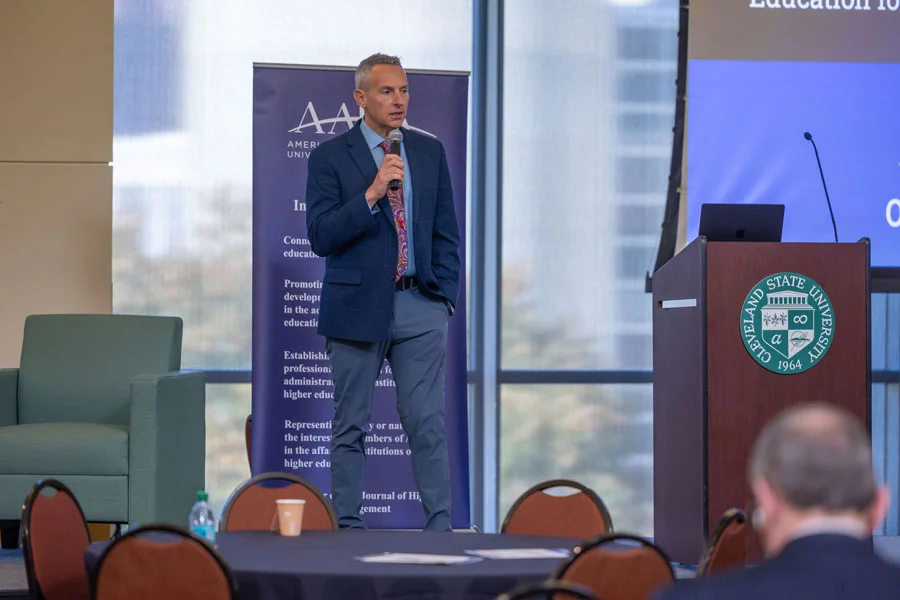
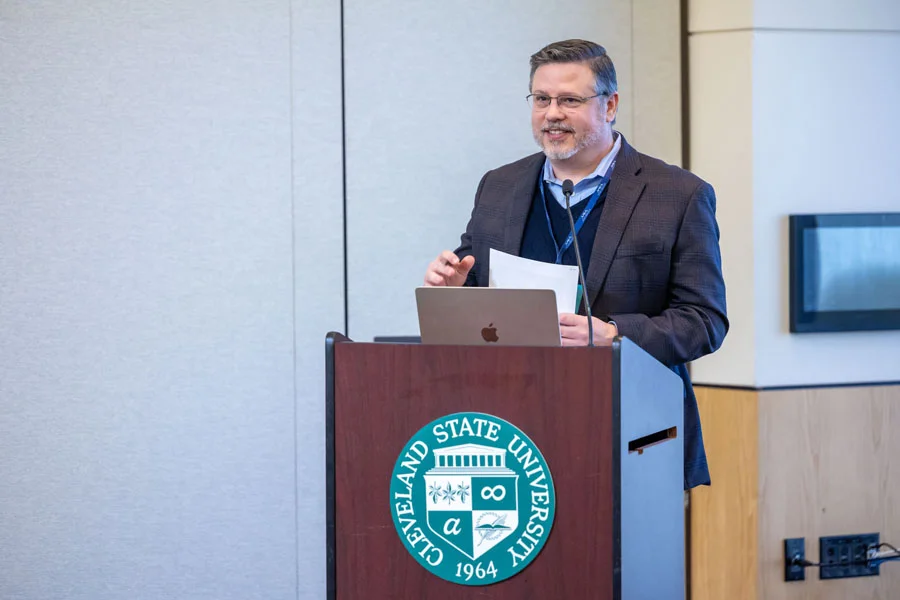
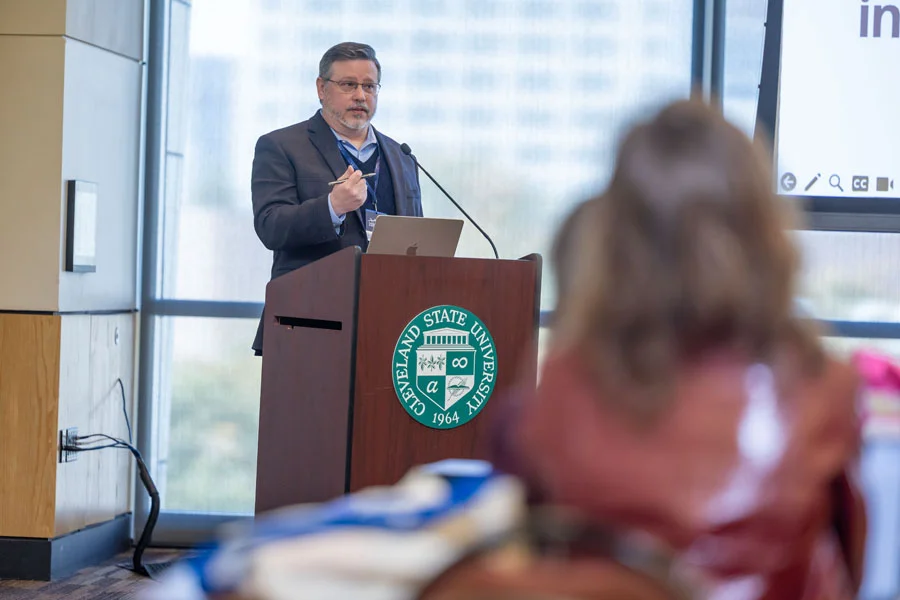
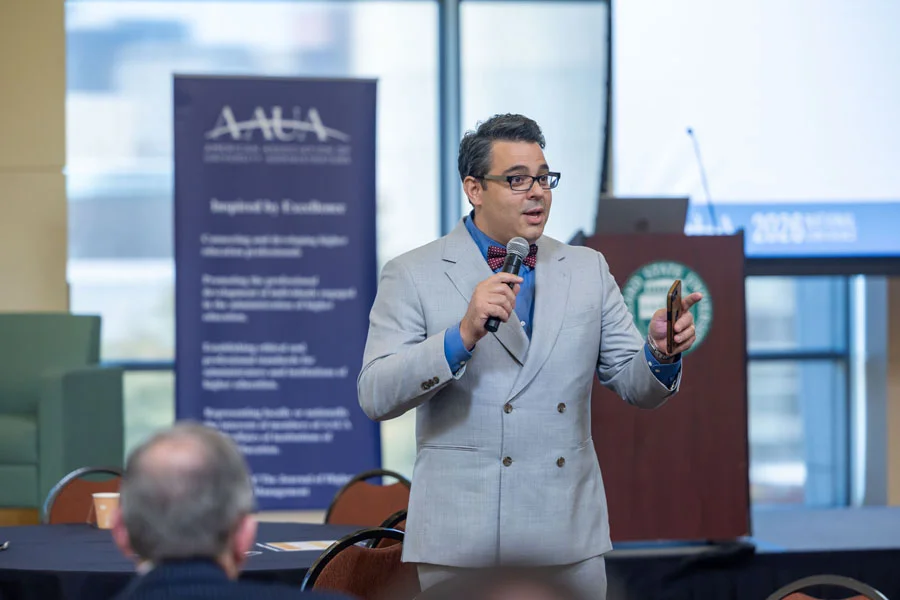
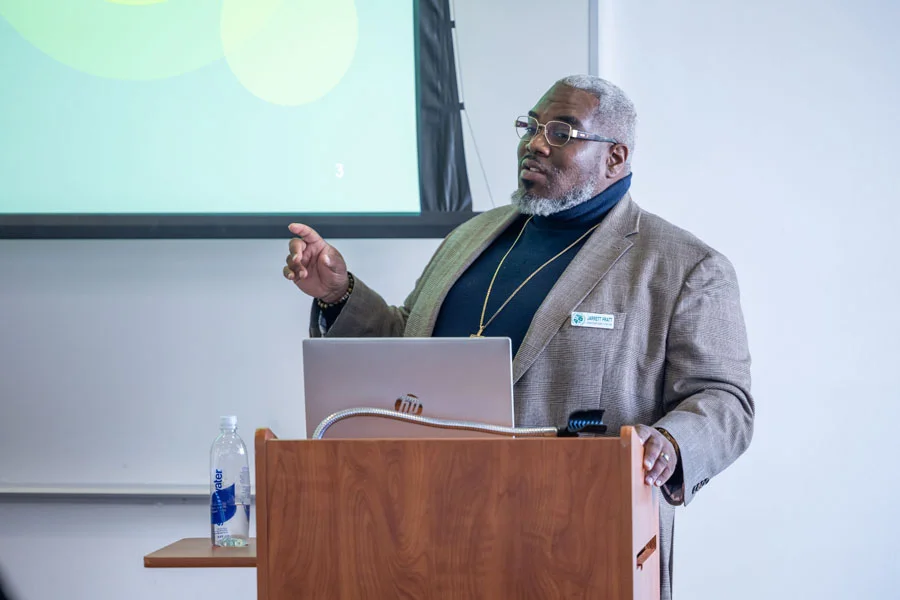
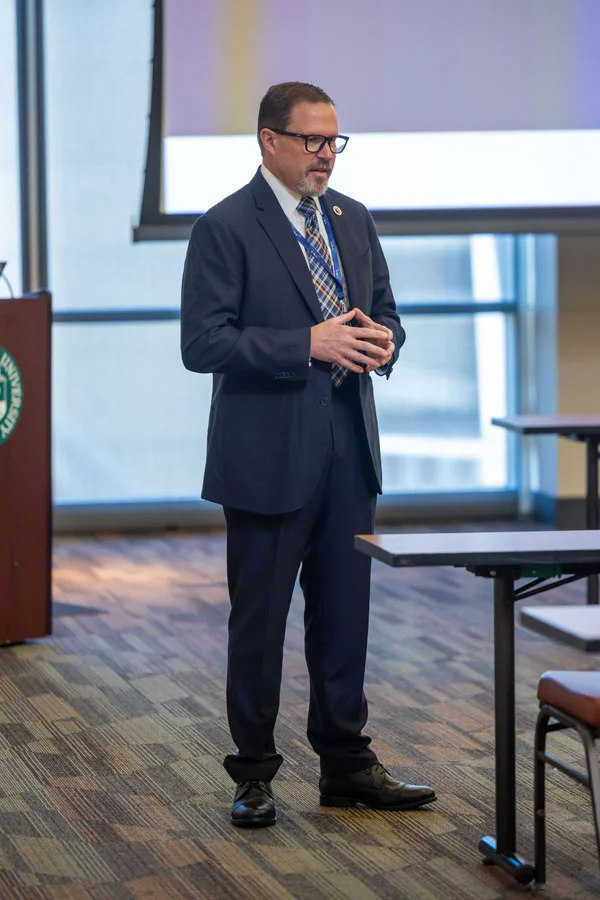
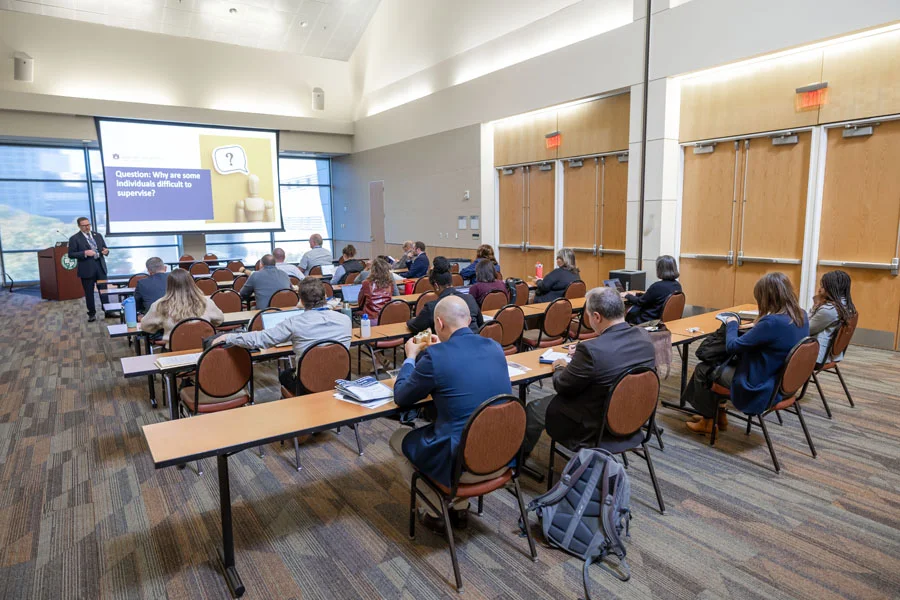
The Value Proposition of Leadership Development Through an Equity-Centered Lens
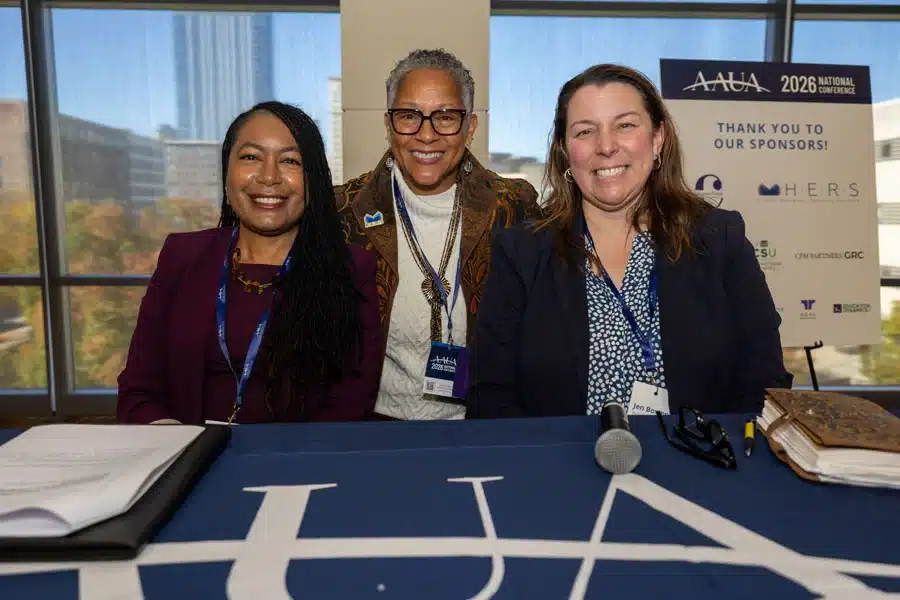
As colleges and universities navigate increasing complexity and change, leadership development is a critical strategy for realizing higher education’s value proposition. Since 1972, HERS has advanced institutional excellence by developing women and gender-diverse leaders through an equity-centered approach that strengthens decision-making, expands leadership capacity, and fosters inclusive campus cultures. Through its flagship HERS Leadership Institute and other programs, HERS has prepared more than 7,000 leaders to drive innovation, advance institutional missions, and create conditions for all members of their campus communities to thrive.
This panel will feature HERS alumni who will share how participation in an equity-centered leadership development program enhanced their leadership effectiveness, broadened their impact, and contributed to institutional success. Their experiences will demonstrate how investing in diverse leadership talent pipelines strengthens institutions, advances strategic goals, and helps higher education deliver on its promise of opportunity, excellence, and student success.
Presidential Panel
Higher education isn’t just changing—it’s being rewritten in real time. Enrollment cliffs, AI disruption, shifting workforce demands, and rising expectations from students and families are forcing colleges to rethink everything from business models to the classroom experience. The institutions that thrive won’t be the ones that play it safe. They’ll be the ones willing to innovate, experiment, and lead with purpose.
Expect bold ideas, candid insights, and a clear vision for what’s next. If you’re ready to move beyond incremental change and imagine what higher education could be, this is the conversation you don’t want to miss.
From Reacting to Organizing: A Practical
Framework for Leadership Progression in Higher Education.
Leadership appointments in higher education are often based on past success, with the tacit assumption that capable people will naturally grow into broader responsibilities. Yet many leadership frustrations arise because the behaviors that produce success in one role do not reliably translate to the next. As responsibility expands, leaders must navigate increasingly complex, interconnected systems while relying on others to solve problems, exercise judgment, and sustain accountability. When that progression does not occur, both leaders and supervisors are pulled into patterns that limit effectiveness. This session introduces a practical five-stage framework—React, Do, Solve, Delegate, Organize—for distinguishing execution, problem solving, delegation, and organizational thinking. Using examples from committees, searches, administrative processes, and supervision, participants will gain language and practical tools for diagnosing leadership development, strengthening others, and clarifying their own leadership priorities.
The NASH Executive Fellows Program:
Adaptive Leadership for American College and University Systems
This presentation will provide an overview of a highly innovative leadership development program created by the National Association of Higher Education Systems (NASH) in response to the following three facts. One, public higher education systems in America educate over 75% of public sector students and include the largest and most advanced higher education institutions in the world. Two, in a stable financial, political, and technological environment the administrators hired to lead these systems are very effective in using their authoritative expertise to solve problems. But three, these systems do not operate in a stable environment and their challenges are only partly solvable by authoritative expertise. So, the NASH Executive Fellows program trains system administrators in the practice of adaptive leadership, helps them develop their own adaptive leadership plans, supports them through ongoing coaching, and fosters an expanding community of leaders with the skills to navigate through our current challenges.
Better Than Ready
Higher education is facing a crisis of confidence. Families are questioning whether a degree—now more expensive than ever—still delivers the value it promises. Students want to know if college will lead to a job, and employers are clear that too many graduates lack the practical skills needed to contribute on day one. The old “just in case” model of broad, theoretical learning no longer fits a world defined by rapid change and rising economic pressure.
The University of New Haven decided that wasn’t good enough. Students deserve an education that meets the moment. Industry needs graduates who are ready now. This session examines how the univeristy rebuilt the student experience around a simple idea: deliver graduates who are not only prepared for the workforce, but better than ready.
In this session, Paul Lavoie will share the Better Than Ready model being implemented at the University of New Haven and how higher education needs to rethink their model to deliver a return on investment for students and their families.
The Case for Civic Skills
Higher education is struggling to prove its value in the AI era. Some institutions are wrestling with how to police student use of AI, while others are focused on leveraging AI to improve students’ career prospects. Citizens & Scholars President Rajiv Vinnakota believes there is a more urgent need – one that also holds the key to higher education’s relevance: civic preparedness.
As AI replaces entry-level jobs and disrupts the traditional ROI case for a degree, the skills that can’t be automated – having productive conversations, thinking critically across differences and collaborating to solve problems – are fast becoming the most valuable thing a college education can deliver. In this session, Raj draws on C&S’s work with 150+ college presidents and 800,000+ students to show how civic preparedness is the higher education value proposition for the AI era. Attendees will leave equipped to embed civic skills campus-wide and measure results.
Unlocking Opportunity: How Universities
Can Remove the Cost of Credentials
Can universities eliminate the financial barriers to professional licensure and graduate school? This session details an institutional case study of a proven, scalable solution: the “All Access License.” Through a landmark partnership with Cleveland State University, this model provides free, industry-leading prep for high-stakes exams (MCAT, GRE, DAT) to all students. By integrating skills courses and career development resources, the program creates a comprehensive support system that impacts the entire campus landscape.
We will present the model and case study sharing the data and strategies behind this successful launch and its consistent, measurable impact on student outcomes. Attendees will receive a practical blueprint to level the playing field for career-defining credentials. Join us to learn how your institution can immediately enhance student outcomes and remove the hidden costs of professional advancement.
Badges, Belonging, and Big Wins:
Rethinking Student Engagement for the Future
As conversations around the value of higher education continue to evolve, post-secondary institutions are being called to more clearly demonstrate how student involvement translates into meaningful skill development and career readiness. This session explores how Lynn University leverages its Student Engagement Transcript (SET) to intentionally connect co-curricular involvement with tangible career and professional competencies.
Through the SET, student involvement is not only tracked but transformed into a structured narrative students can confidently articulate in interviews and beyond. Building on this foundation, Blueprint Rewards was introduced as an innovative engagement and retention strategy, directly informed by student feedback on high-impact experiences. Incentives such as $500 awarded for each badge earned, study abroad funding, and a pathway toward a graduate course reinforce continued engagement while promoting leadership, accountability, and community involvement.
Together, these initiatives create a cohesive ecosystem that positions student involvement as a core driver of the student experience and overall student success. Using Lynn University’s SET and Blueprint Rewards as a case study, this session will address the challenge of clearly demonstrating the value of student engagement by sharing data-informed strategies that connect involvement to career readiness and campus belonging, while equipping participants with adaptable approaches for their own institutions.
SCRUM Strategies to Raise
Organizational Goal Resilience
The principles of SCRUM were developed to direct project management and manage multiple initiatives, deadlines, and priorities. SCRUM helps team members stay focused on specific next steps and promotes quick sharing of ideas. SCRUM approaches ask team members to briefly identify what is most pressing, identify challenges related to that item, and then ask for quick support. SCRUM can also benefit leaders with visionary approaches to leading their team. When embraced by the team, SCRUM can prioritize challenges and model organizational goal resilience.
The SCRUM approach ensures leaders steer teams towards a more focused approach to sharing and connecting. This strategy challenges teams to enter meetings with pre-identified high-priority items, rather than laundry lists of items on to-do lists. This approach can help with goal resilience and enable teams to more consistently achieve more of the initiatives that matter most.
College Athletics and Educational Mission
in the Transfer Portal Era: Evidence from Division I Men’s Basketball
The landscape of college athletics has shifted dramatically in recent years with the introduction of new transfer, NIL, and revenue-sharing policies. These changes have accelerated student mobility and created a more flexible, market-like system of athletic participation. Yet, they also raise important questions about how institutions balance athletic competitiveness with their educational mission. Drawing on more than 20 years of data on Division I men’s basketball student-athletes, this session examines the extent to which transfer rates vary by institutional selectivity and athletic success and poses questions about the relationship between college athletics and higher education in the transfer portal era. Attendees will learn what transfer trends suggest about how institutions are navigating a rapidly changing athletic policy environment. By connecting policy changes to student-level evidence, the session highlights key challenges and opportunities for supporting transfer student-athletes and offers insights for institutional leaders, advisors, and coaches.
The AI Frontier: Rebuilding Higher Education for an Intelligent Age
As higher education confronts rapid technological disruption, artificial intelligence presents both an existential challenge and a generational opportunity. This session explores how San Francisco Bay University (SFBU), located in the heart of Silicon Valley, is rebuilding itself from the ground up as a challenger-brand institution designed for the AI frontier. I will share how SFBU has embedded AI Tutors into every course to personalize learning, support faculty, and improve student retention, as well as how we are launching an AI-powered online MBA built around adaptive instruction, real-time feedback, and workforce-aligned competencies. Attendees will learn how AI can be operationalized responsibly at the institutional level, the governance and cultural shifts required to do so, and what early data and pilot results reveal about engagement, scalability, and retention. This session addresses the core challenge of moving from AI experimentation to systemic transformation and offers a practical, future-forward model for academic leaders navigating this new era.
The Expertise Institutions Can't Afford to Ignore: Professional Staff and Shared Governance in Higher Education
Research demonstrates that broad participation in decision-making leads to stronger institutional outcomes (Kezar & Holcombe, 2017). Yet professional staff—non-faculty employees who play essential roles in supporting teaching, learning, and campus operations—remain largely excluded from formal shared governance structures. The American Association of University Professors 1966 Statement on Government of Colleges and Universities identifies faculty, governing boards, and senior administrators, particularly the president, as primary participants, leaving staff voices underrepresented.
At the same time, professional staff represent one of the fastest-growing segments of the higher education workforce (Nadler et al., 2010; Mousavizadeh, 2021) and bring deep expertise across a wide range of institutional functions. This presentation explores case studies of colleges and universities that have intentionally integrated professional staff into shared governance processes, leveraging their knowledge to inform institutional decision-making.
We will examine both the challenges and the measurable benefits of this inclusion—for institutions and for staff—and consider how principles of fair process can be applied to elevate staff voices in meaningful, sustainable ways. Attendees will leave with practical strategies for reimagining shared governance to better reflect the full range of expertise within their institutions.
Strategic Student Success Initiatives and
Their Impact on Retention Outcomes
Student dropout continues to challenge postsecondary institutions, influencing student success, institutional performance, and long-term financial sustainability. Although many institutions implement retention initiatives, stronger quantitative evidence is needed to link specific structured interventions to measurable reductions in dropout.
This study evaluates the impact of integrated retention strategies using a quasi-experimental design with de-identified student-level data from the institution’s student information and learning management systems. Across four academic terms over two years, students receiving a bundled intervention; proactive advising, early alert analytics, targeted financial counseling, and structured first-term supports; were compared to a propensity score–matched control group receiving standard services. Matching variables included demographic, academic, and financial risk indicators. Logistic regression and difference-in-differences analyses revealed statistically significant reductions in dropout and improved term-to-term persistence, particularly among first-year and higher-risk students. Early advisor outreach and timely financial counseling were the strongest predictors of persistence, demonstrating the effectiveness of structured, data-driven retention strategies.
Aspire Auburn: Creating Institutional
Value Through Leadership Development
Higher education faces increasing pressure to demonstrate value through employee engagement, leadership effectiveness, and institutional performance. This session examines how Auburn University is strengthening its value proposition by intentionally investing in leadership development, shared values, and performance partnerships. Attendees will learn how Aspire Auburn—a voluntary, multi‑level leadership development initiative—engaged more than 1,100 employees in its first year, reaching staff, faculty, student employees, and senior leaders across the institution. Drawing on participation data, engagement indicators, and early retention trends, this presentation highlights the opportunity to influence culture at scale while aligning individual growth with institutional priorities. The session will outline Auburn’s strategic roadmap, key lessons learned, and scalable practices for embedding character‑driven leadership into daily work. Participants will leave with practical strategies for building leadership capacity, strengthening organizational culture, and demonstrating measurable value to stakeholders within their own higher education contexts.
Leading the Value Proposition: How University Leaders Articulate Purpose and Public Value
This session examines how leadership shapes the higher education value proposition through institutional storytelling that builds trust, relevance, and demonstrable public value. Drawing on empirical research in leadership, the presenters explore how leaders translate institutional mission, strategy, and data into narratives that resonate with students, employees, policymakers, and the public. Institutional storytelling is often conducted within current disruptions, including artificial intelligence, demographic contraction, student affordability and institutional cost pressures, and growing public skepticism about higher education’s return on investment. Using research-informed frameworks and institutional case examples, presenters illustrate how leadership behaviors align communication, decision-making, and culture to sustain legitimacy and credibility. Storytelling is positioned not as marketing, but as a strategic leadership practice grounded in institutional purpose. Participants will gain practical insights into how leaders communicate value authentically and sustain institutional coherence while navigating uncertainty across the higher education landscape.
Are We the Problem? Transforming
Student Outcomes through Improving Administrative Structures
For more than a decade, Georgia State University has been at the leading edge of demographic shifts in the southeast. While doubling the numbers of non-white and low-income students it enrolls, the university has simultaneously raised its graduation rates by 70% and eliminated attainment gaps based on students’ race, ethnicity, and income level. The Georgia State approach focuses on unearthing the ways that poorly designed administrative structures—registration, advising, financial aid, academic program design—contribute to student attrition and then deploying evidence-based strategies for improving these structures at scale. This session will explore lessons learned from Georgia State’s transformation. It then will share results from the scaling of these approaches to more than 170 postsecondary institutions across the U.S. through the work of the National Institute for Student success, outlining several concrete and scalable steps that campuses can take to improve outcomes for students while increasing revenues.
Financially Strong Employees Build Stronger Universities
Universities invest significant resources in recruiting and retaining talented faculty and staff, yet one of the most significant contributors to employee stress, reduced productivity, and delayed retirement is often overlooked: financial wellness.
This session explores how institutions can foster a culture of financial education and confidence that complements existing employee benefits and supports the long-term well-being of faculty and staff. Attendees will gain practical insights into how financial wellness initiatives can strengthen employee engagement, retention, and the overall health of the campus community.
You Know How to Lead. Now Learn How to Last.
The Resilient Institution: Crisis Leadership for Sustainable Growth
Higher education leaders today face an unprecedented convergence of challenges—from financial pressures and declining public trust to public health emergencies and high-profile tragedies. In this engaging and practical presentation, University of Idaho President C. Scott Green, co-author of University President’s Crisis Handbook: How a Non-Traditional Leader Took His Alma Mater from Insolvency to Sustainable Success, shares the leadership principles and crisis-management strategies that helped transform the University of Idaho during one of the most turbulent periods in its history.
Drawing on real-world experiences leading the institution through a severe financial crisis, the COVID-19 pandemic, and a tragedy that garnered international attention, Green explores the three strategic pillars that became the university’s guiding framework: Student Success, Telling Our Story, and Research That Matters. These pillars provided a clear roadmap for decision-making, institutional alignment, and long-term growth while navigating uncertainty and adversity.
Participants will learn how disciplined financial management, transparent communication, strategic investment, and a relentless focus on mission created a pathway from significant deficits to sustained success. The presentation highlights how the University of Idaho achieved financial solvency, record enrollment growth, increased research activity, and unprecedented fundraising momentum while strengthening its culture and public confidence.
More than a story of crisis response, this session offers a blueprint for transformational leadership. Attendees will gain actionable insights on building resilient organizations, leading with clarity during uncertainty, and turning challenges into opportunities for innovation and growth. Whether you lead a university, nonprofit, public agency, or private organization, the lessons shared will provide practical tools for guiding institutions through disruption and emerging stronger than before.
From Voucher to Victory: Maximizing
Education and Training Voucher Funding as a Strategic Tool for Foster Youth College Success
Foster youth represent one of higher education’s most underserved and undercounted populations, and Education and Training Vouchers (ETV) represent one of its most underutilized assets. This session uses the Sullivan-Deckard Scholars Program at Cleveland State University, a foster-friendly institution and recognized statewide thought leader in postsecondary support, as a case study for how intentional, last-dollar ETV policy design can close critical funding gaps and dramatically improve degree completion outcomes for foster-involved students. Attendees will learn how to align ETV policy with institutional aid structures, build accountability frameworks that protect students, and communicate the ROI of foster youth support to donors, leadership, and state agencies, turning a federal voucher into a vehicle for life-changing social mobility and demonstrating the enduring value proposition of higher education for every student, regardless of background.
Recruiting Musicians and Artists like Athletes
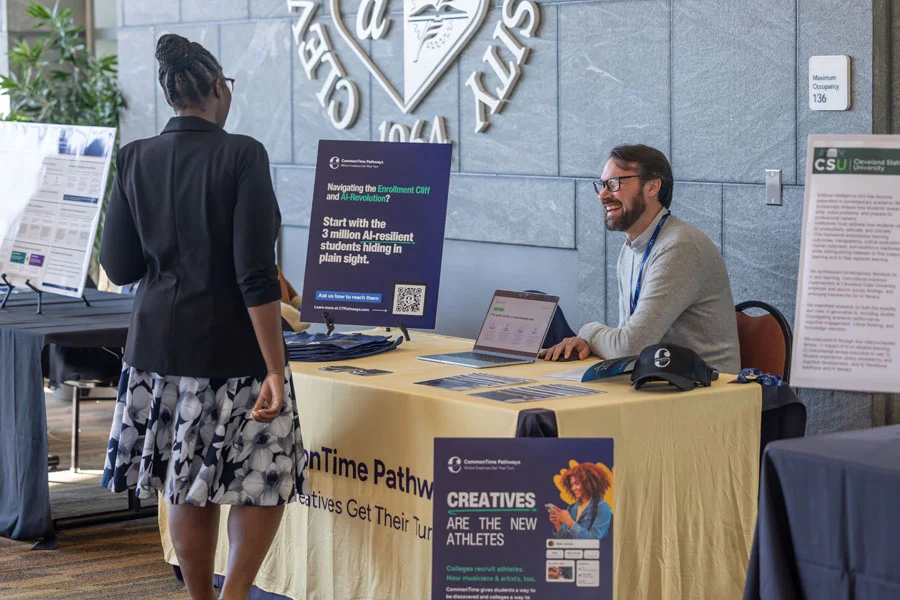
As higher ed confronts the demographic cliff and reimagines what could predict student success in an AI-enabled world, one question keeps surfacing: Are institutions overlooking students whose talent has never been systematically scouted? For decades, institutions built sophisticated scouting systems around athletics. The arts never received the same infrastructure. In this session, Eytan Wurman, Founder and CEO of CommonTime Pathways, shares how “Artistic Intelligence” brings that same rigor to identifying and recruiting creatively engaged students. Drawing on CommonTime’s work building the first national, athletic-style scouting infrastructure for student musicians, Wurman offers higher-ed leaders a practical framework for turning the arts into a strategic driver of enrollment, differentiation, and long-term value.
Leading Through Change: How Otterbein
University Is Redefining What’s Possible
Higher education is navigating one of the most turbulent periods in its history, but Otterbein University is charting a different path. While many institutions face enrollment pressures, shifting student expectations, and financial headwinds, Otterbein is leaning into bold innovation, mission‑driven partnerships, and a reimagined student experience that’s helping the university not just endure, but thrive.
In this candid fireside chat, Otterbein President John Comerford shares the innovative strategies and courageous leadership decisions that are positioning the university for long‑term success. From collaborative models like the Coalition for the Common Good, to new approaches in workforce‑aligned learning, to a renewed focus on belonging and student support, Comerford will unpack how Otterbein is rewriting the playbook for institutional resilience.
The Value Proposition for Senior Leaders:
Inclusive Executive Advising for University Administrators and College Presidents
University administrators are often asked to promote the value proposition of colleges and universities to Gen-Z students and families. But often times, new senior administrators are unable to invest in their own professional development as they work to refine their executive presence to help lead their institutions towards success. This session will feature an executive advisor and a senior administrator who have worked closely together to advance inclusive excellence at a small college in Northwest Pennsylvania. The executive advisor has worked closely with over a dozen college and university administrators, and non-profit/for-profit agencies to help them realize their commitment to diversity, equity, and inclusion. This session will share the strategies and the benefits that colleges and universities receive in exchange for an investment in inclusive executive advising.
Sponsors
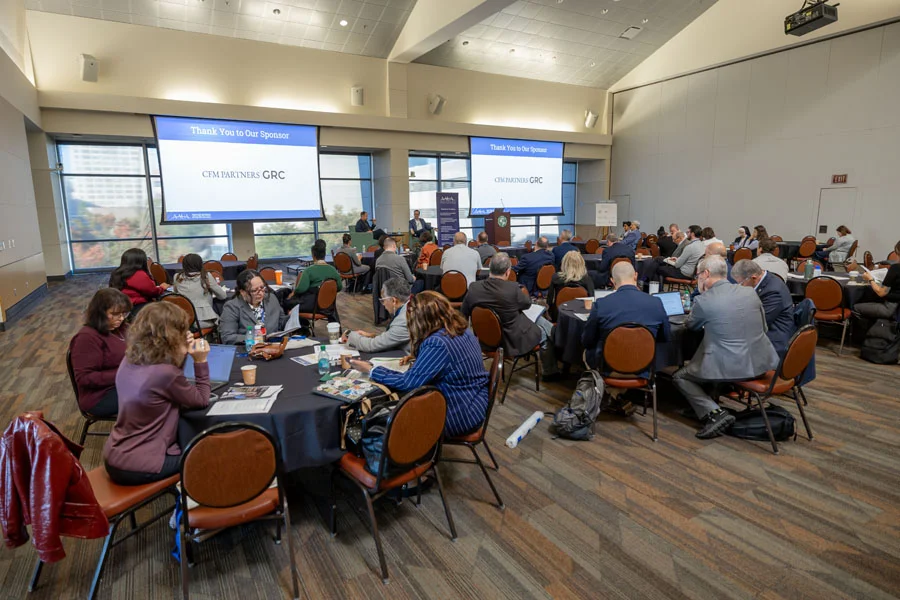
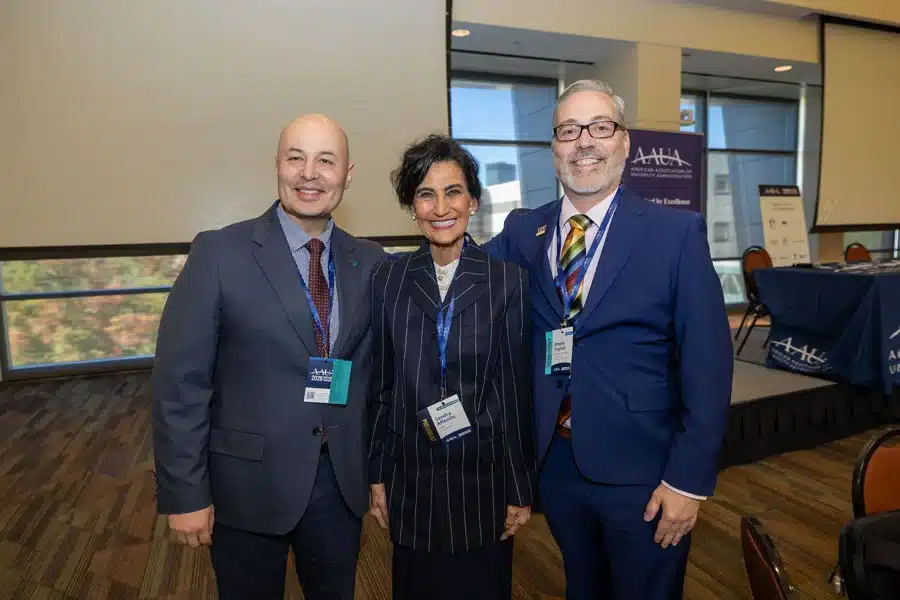
AAUA expresses sincere gratitude to the sponsors whose support made the 2026 National Conference possible. Their partnership helped foster meaningful dialogue and an environment focused on leadership, innovation, and professional growth. Their commitment continues to strengthen AAUA’s mission and community.


2026 Keynote Speakers
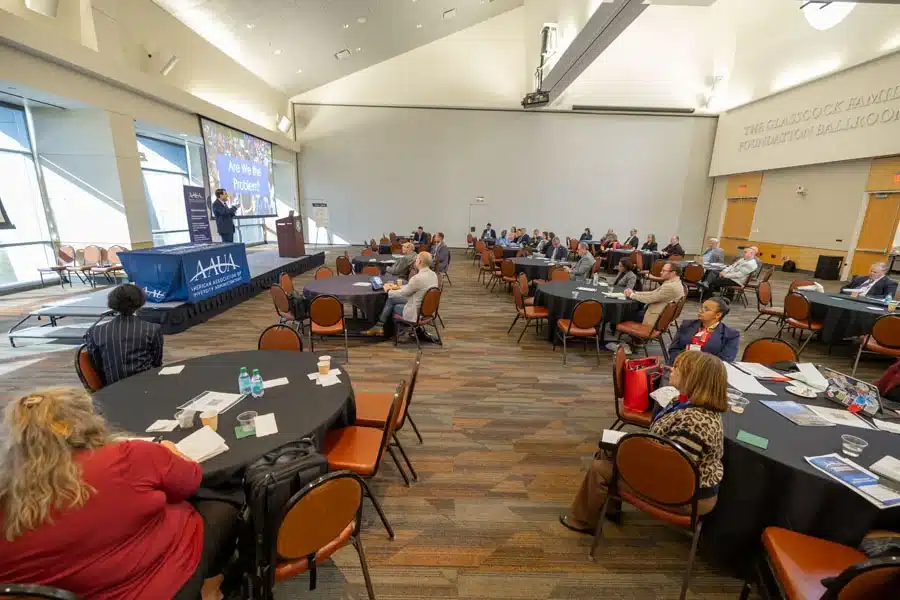
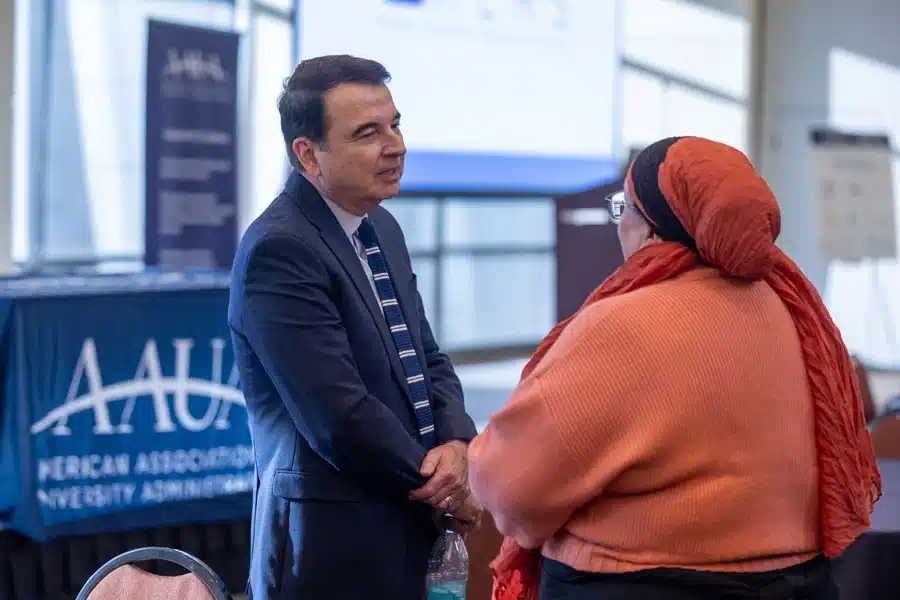
Dr. Timothy Renick
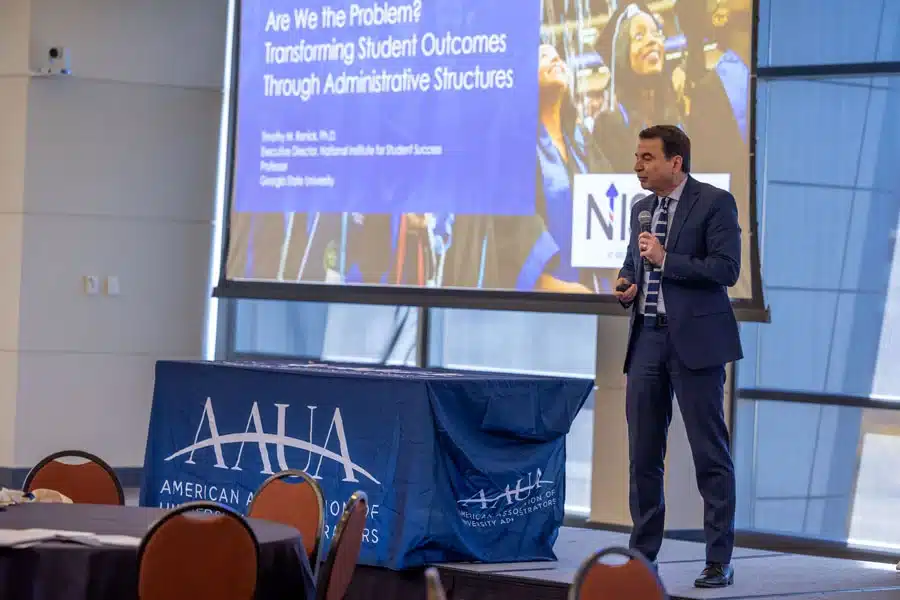
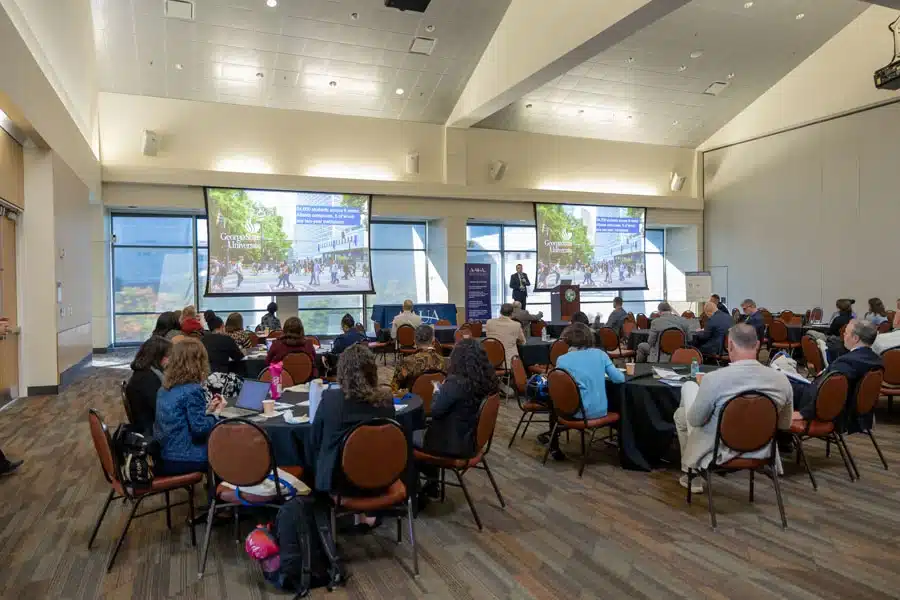
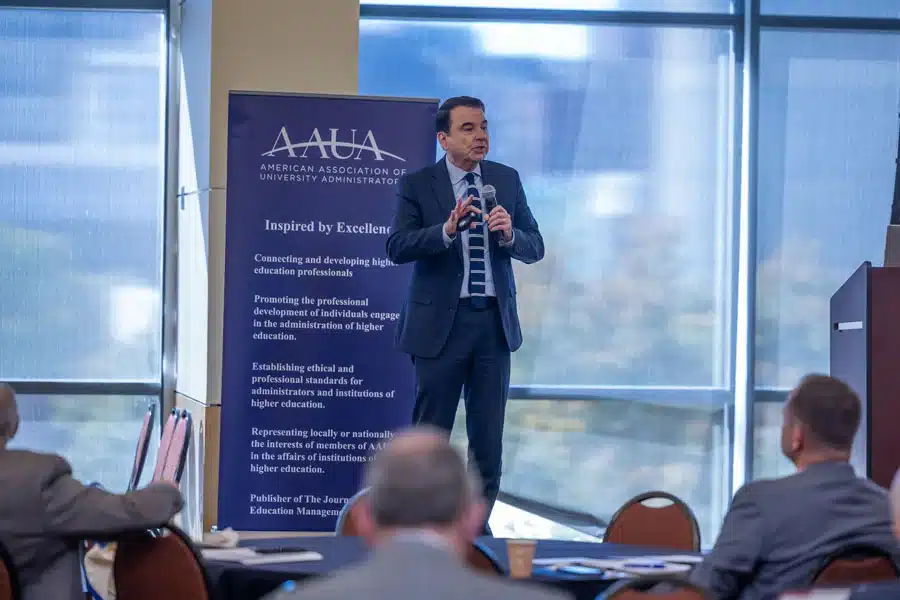
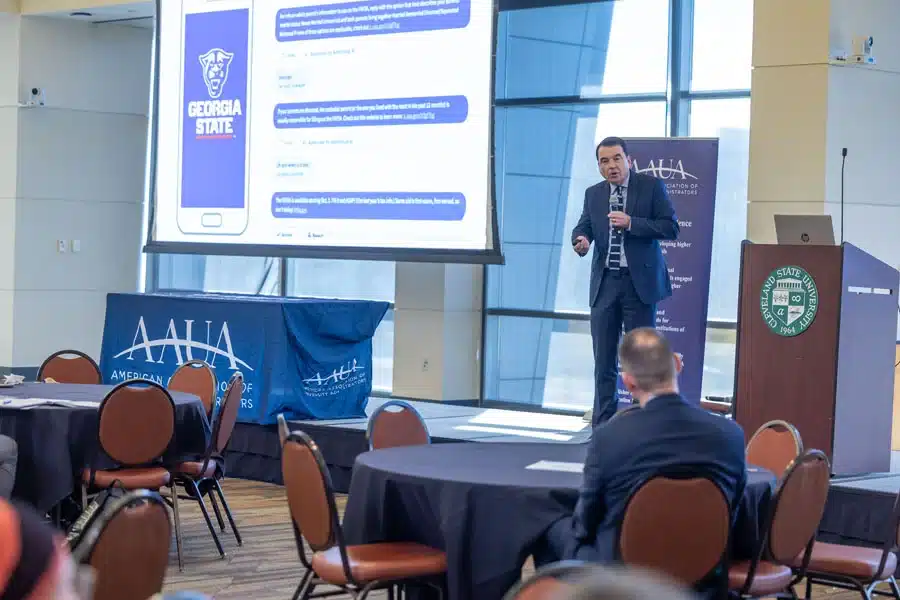
Are We the Problem? Transforming Student Outcomes through Improving Administrative Structures
Dr. Timothy Renick, Executive Director of the National Institute for Student Success at Georgia State University, shared how rethinking administrative structures can transform student outcomes. Drawing on Georgia State’s success in improving graduation rates and closing achievement gaps, his presentation highlighted evidence-based strategies institutions can implement to remove barriers, strengthen student success, and improve institutional effectiveness.
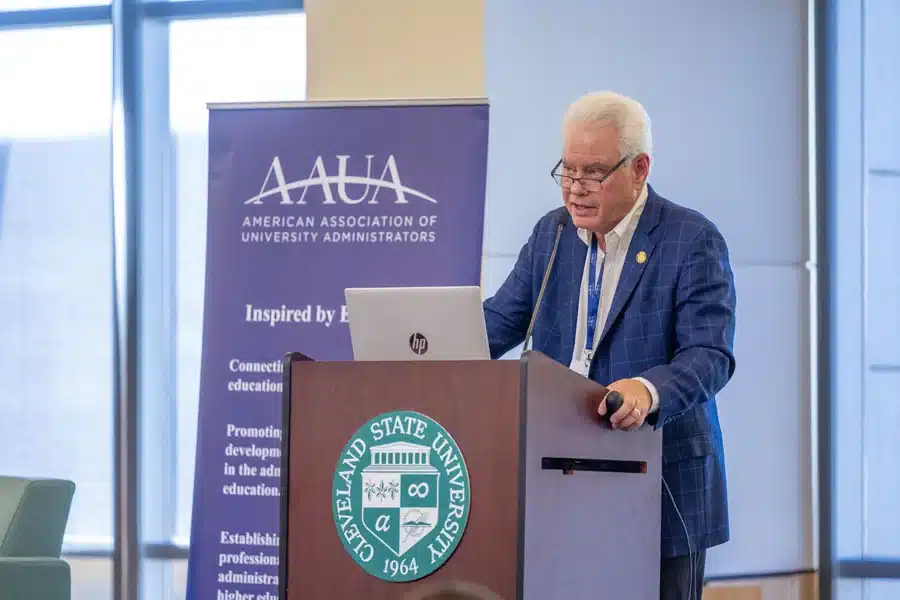
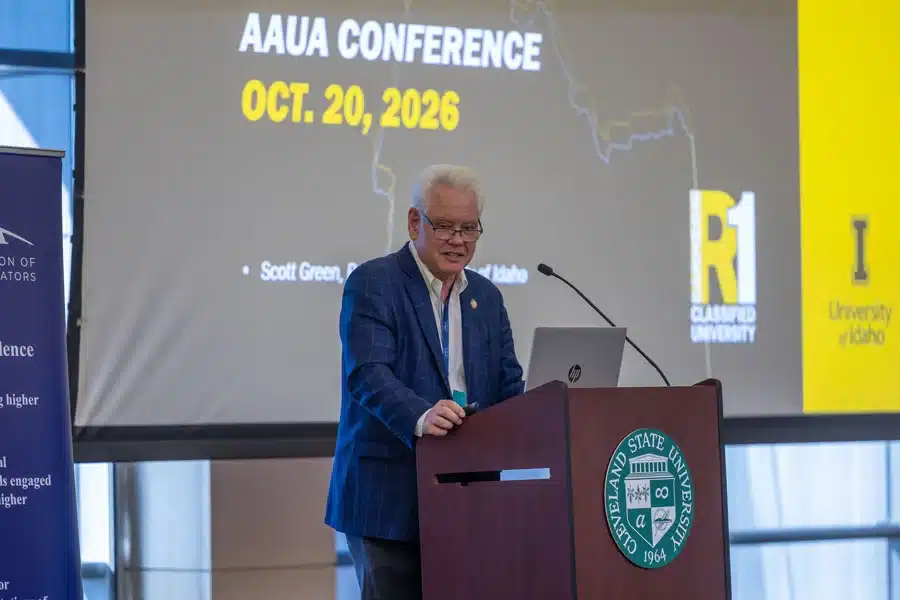
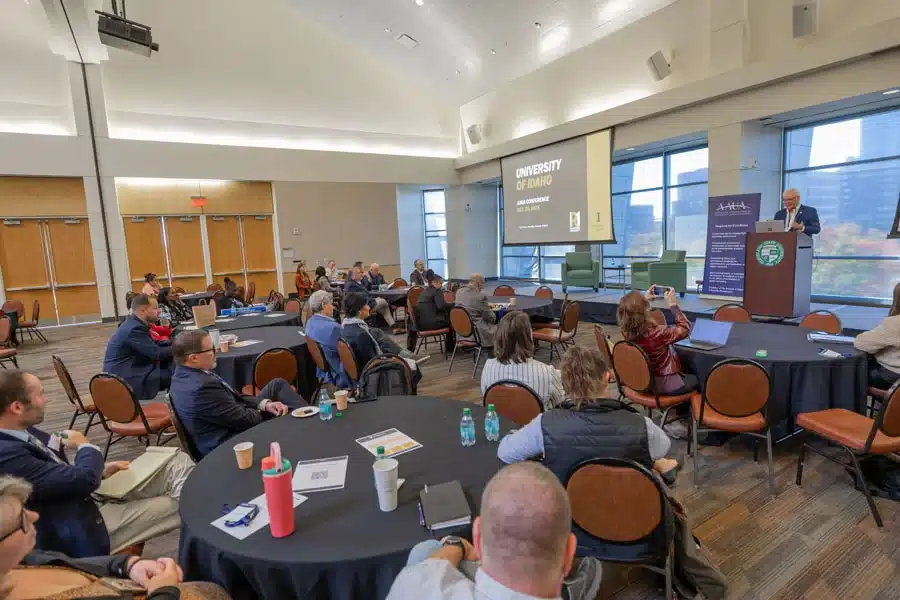
C. Scott Green
The Resilient Institution: Crisis Leadership for Sustainable Growth
University of Idaho President C. Scott Green explored the leadership principles and crisis-management strategies that helped guide his institution through significant challenges. Drawing on experiences navigating financial pressures, the pandemic, and institutional crises, his presentation emphasized transparent communication, strategic decision-making, and mission-driven leadership as essential foundations for building resilient institutions and achieving sustainable growth.
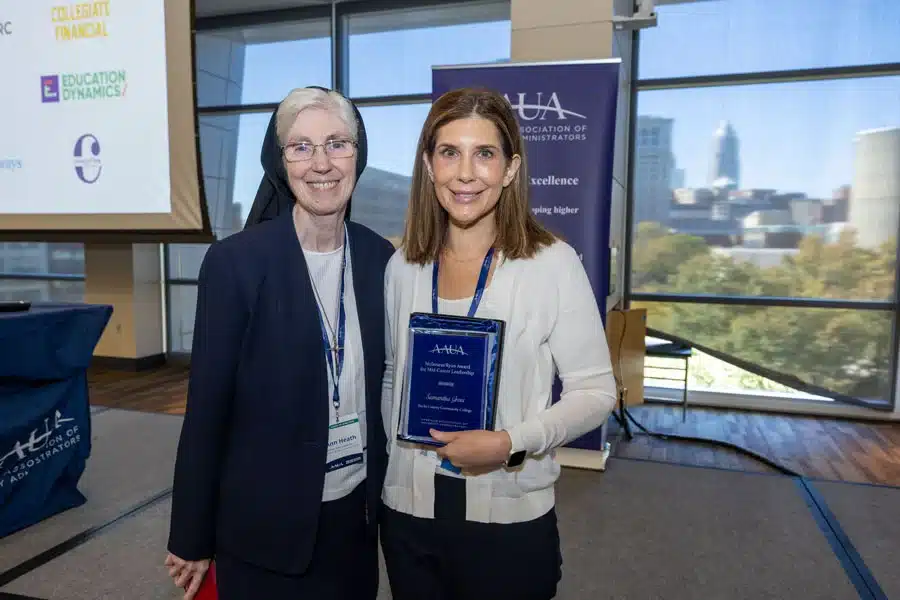
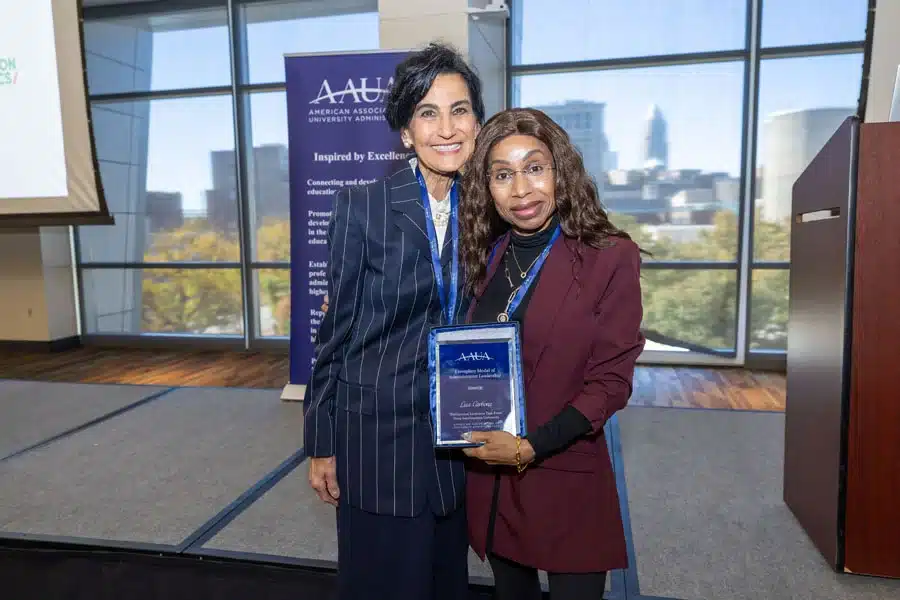
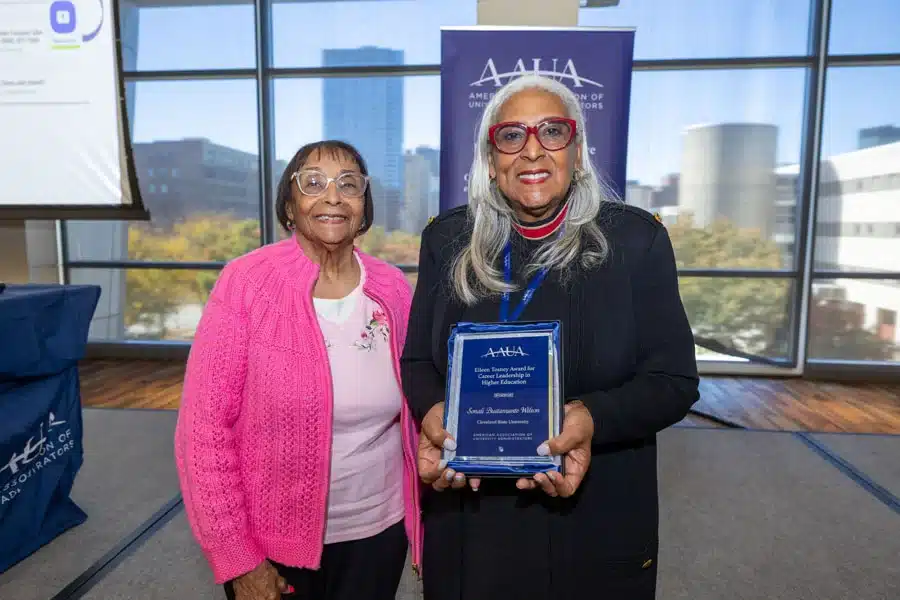
Awards Ceremony
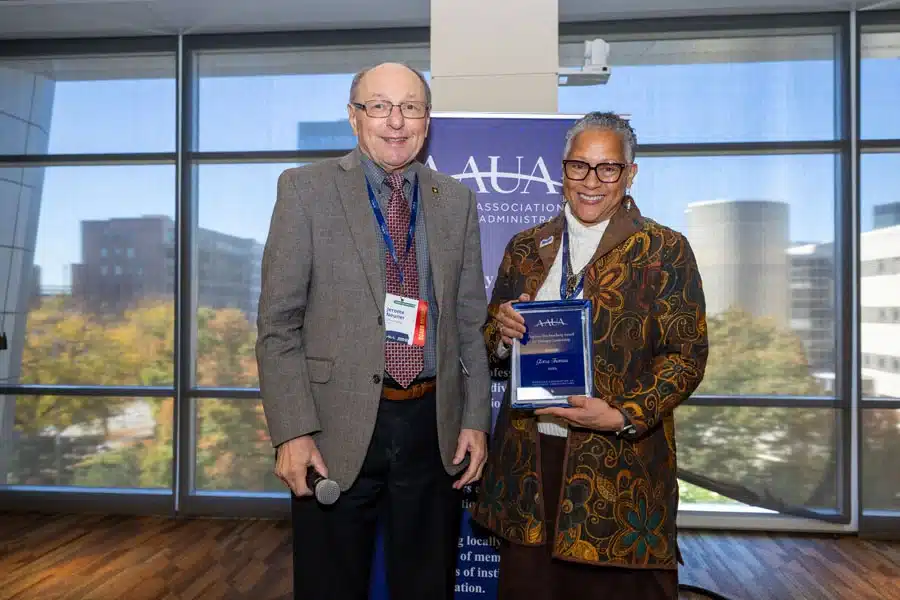
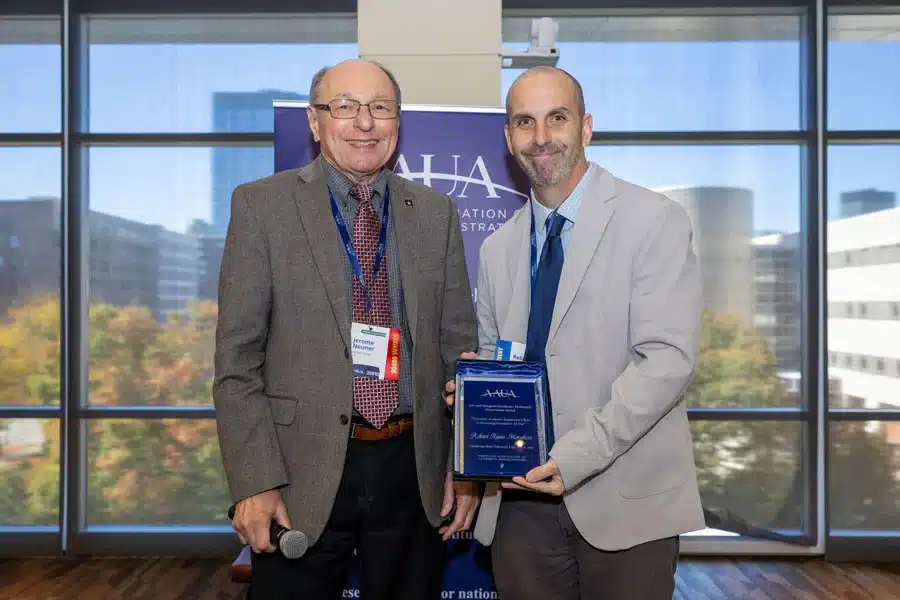
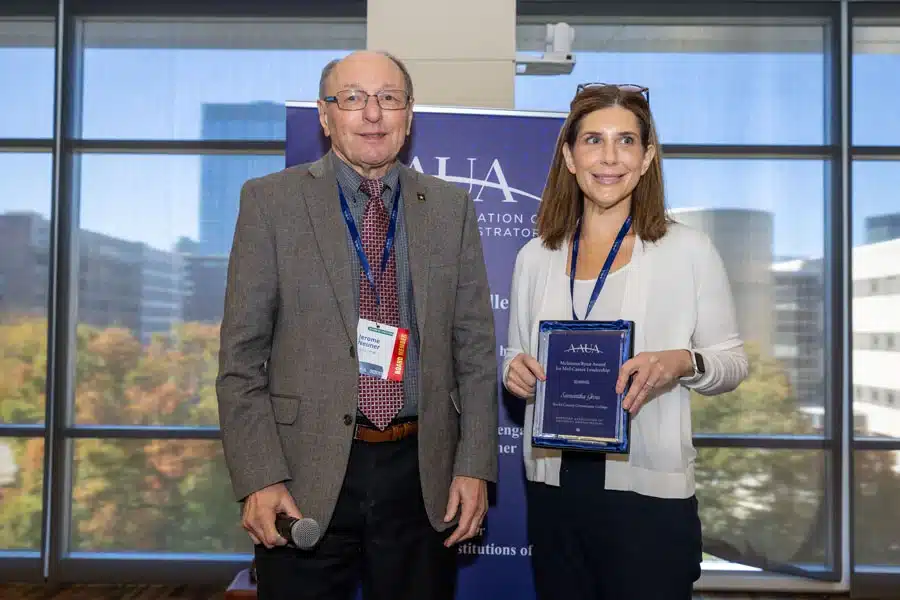
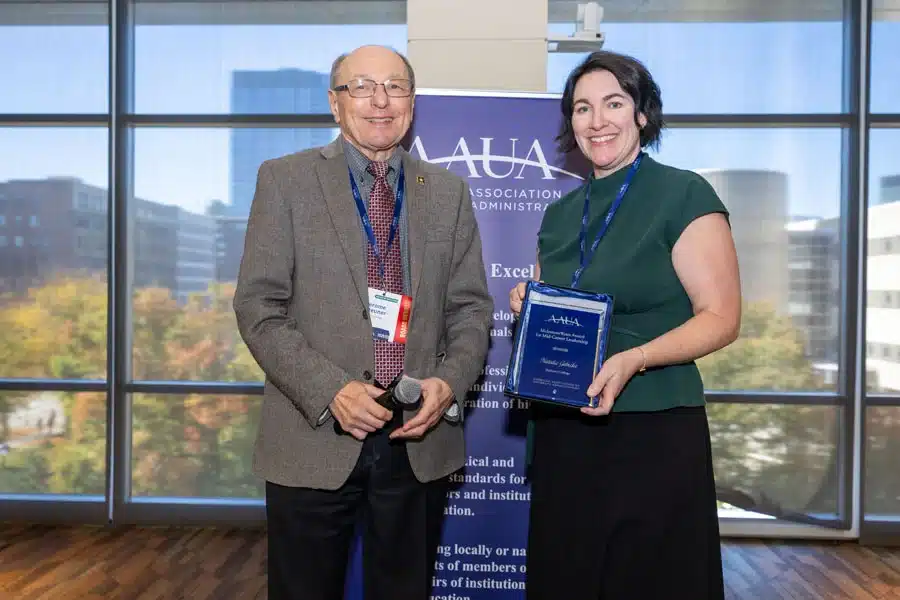
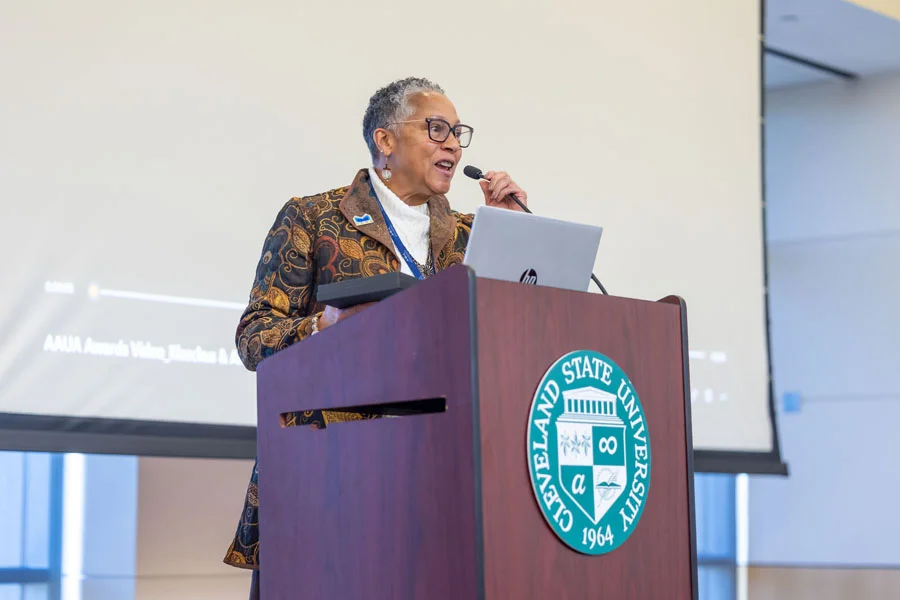
The awards ceremony, led by Jerome E. Neuner, honored recipients of several major AAUA awards, including the Dissertation Award, Best Article in JHEM, Khaladjan Award, Dual Award, DEI Award, Eileen Tosney Award, and the Cavanaugh Award for DEI. The AAUA Mentoring Program also recognized its mentees who successfully completed the program.